What Is Cosmetics OEM Manufacturing? A Complete Guide for Brand Owners in 2026
If you're launching a beauty brand, understanding what is cosmetics OEM manufacturing is your first step toward a successful product line. Simply put, OEM (Original Equipment Manufacturer) manufacturing is a partnership where a factory produces cosmetics according to your exact specifications—your formulas, your packaging, your brand. Unlike buying ready-made products, OEM gives you full control over what goes into the bottle and how it looks on the shelf. In 2026, this model has become the backbone of the indie beauty movement, allowing entrepreneurs to compete with established players without owning a factory. This guide breaks down everything you need to know, from MOQs and certifications to choosing the right partner.
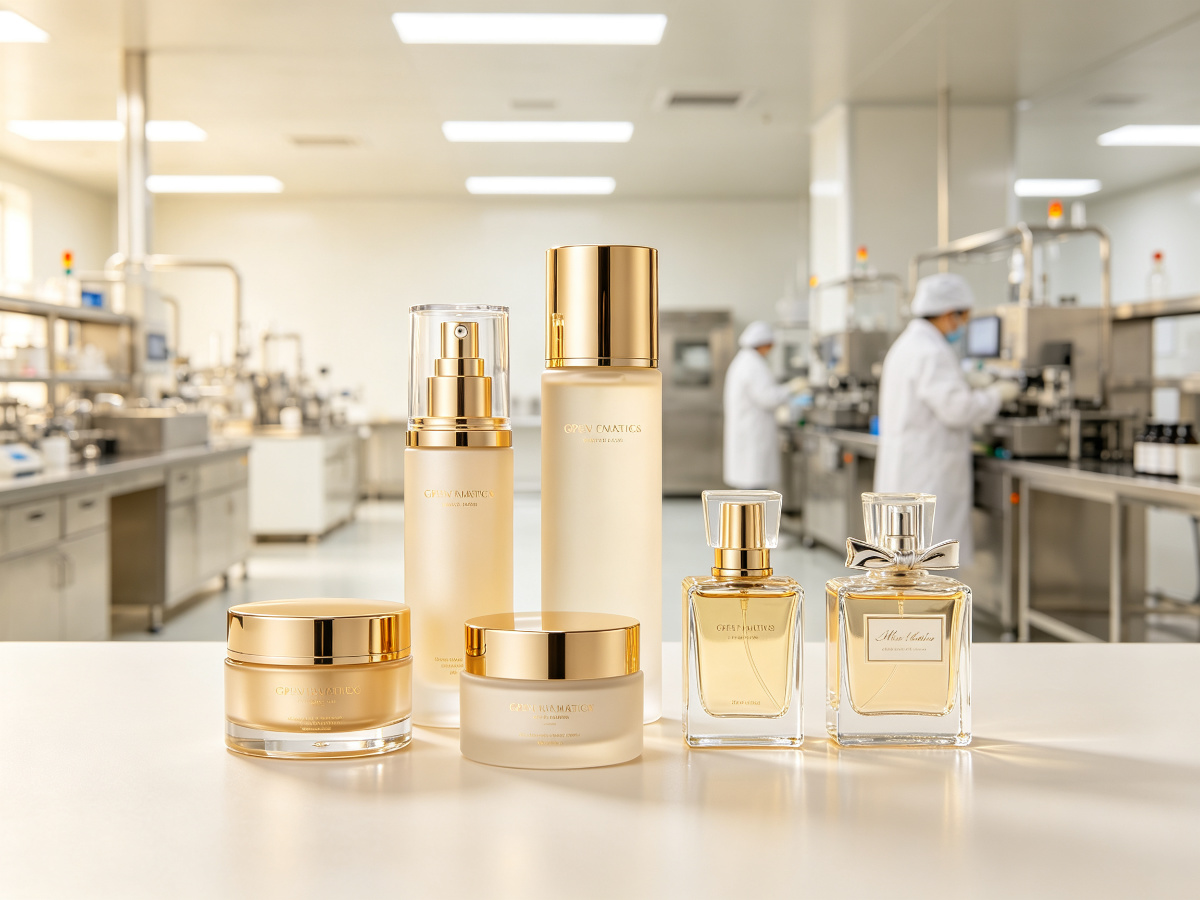
What Is Cosmetics OEM Manufacturing? A Clear Definition
At its core, cosmetics OEM manufacturing means you bring the product idea, and the factory brings the production expertise. You might develop a unique serum formula or a signature lipstick shade, and the OEM partner handles sourcing, mixing, filling, and packaging. The finished product carries your brand name and is sold as your own. This differs from simply reselling stock items because you own the formula and the brand identity.
Key characteristics of OEM manufacturing include:
- Custom formulation: You can tweak textures, scents, and active ingredients.
- Your branding: Packaging, labels, and logos are all yours.
- Scalability: Start with a small batch and scale up as demand grows.
- Compliance: The factory ensures products meet regulations like ISO 22716 and GMP.
For a deeper dive into launching a brand from scratch, explore our Knowledge Center.
OEM vs ODM: What's the Difference?
Many buyers confuse OEM with ODM (Original Design Manufacturer). The cosmetics OEM vs ODM difference is crucial: in ODM, the factory already has a catalog of formulas and you simply put your label on them. ODM is faster and cheaper, but less unique. OEM requires more investment but gives you a proprietary product. If you want to stand out, OEM is the way to go. However, some brands start with ODM to test the market, then transition to OEM.
Here's a quick comparison:
| Aspect | OEM | ODM |
|---|---|---|
| Formula | Custom, you own it | Pre-made, shared |
| MOQ | Higher (typically 3,000–10,000 units) | Lower (often 1,000–3,000 units) |
| Lead Time | 8–12 weeks | 4–6 weeks |
| Cost | Higher upfront | Lower upfront |
Understanding this difference helps you align your strategy with your budget and timeline.
Key Factors in Cosmetics OEM Manufacturing
Before you sign with a manufacturer, consider these critical factors that impact quality, cost, and speed to market.
1. MOQ (Minimum Order Quantity)
MOQs vary widely by product type. For skincare, typical MOQs range from 3,000 to 10,000 units per SKU. Makeup like lipstick or mascara often starts at 5,000 units. Perfume may be 2,000–5,000 units. Your first order should balance cash flow with production efficiency. Many factories offer lower MOQs for initial runs, so always ask. For tips on finding low-MOQ partners, see How to Find a Cosmetics OEM Factory with low MOQ.
2. Certifications and Compliance
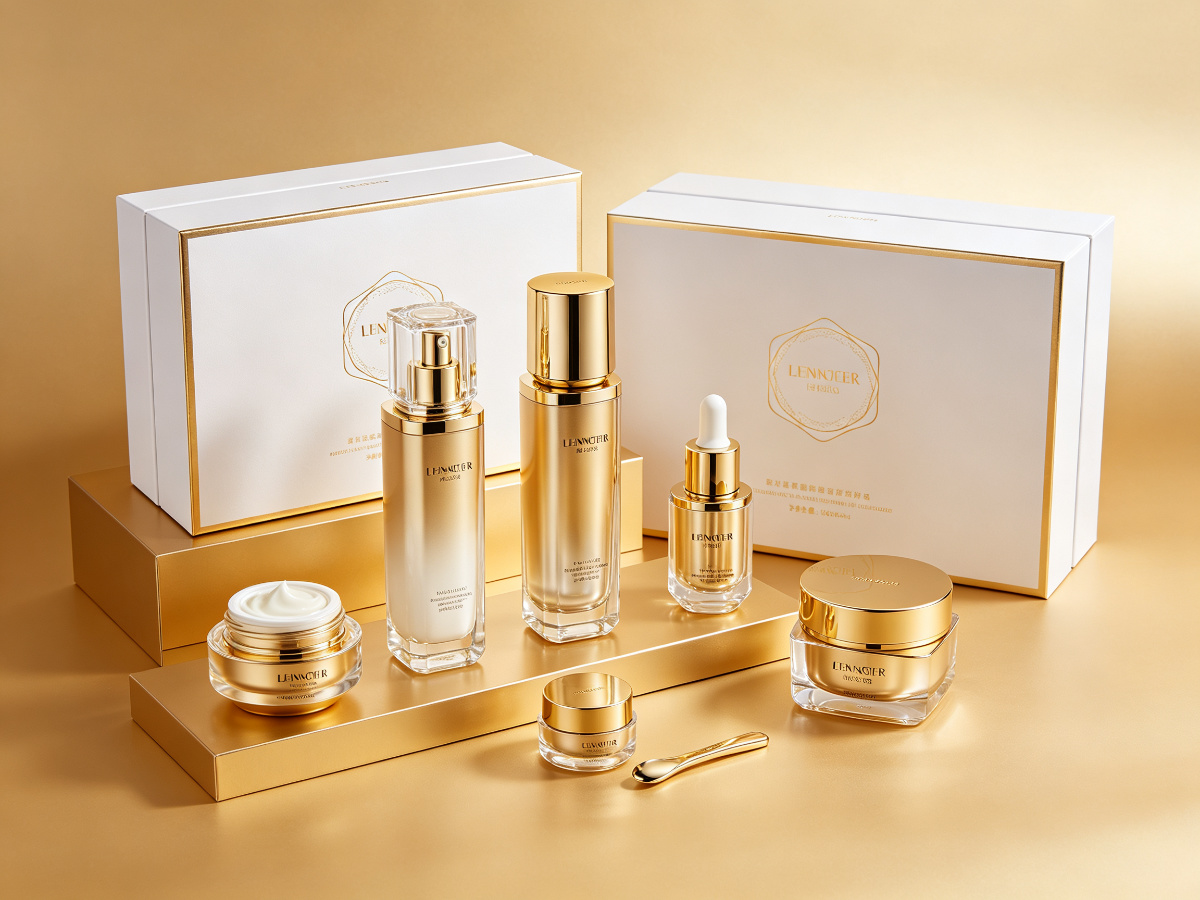
Ensure your manufacturer holds ISO 22716 (Good Manufacturing Practices for cosmetics) and GMP certification. For the US market, FDA registration is essential. In the EU, you need a Responsible Person and CPNP notification. These certifications guarantee that your products are safe and legally compliant.
3. Lead Times
Standard lead times for OEM orders are 8–12 weeks after formula approval and packaging procurement. Complex formulas or custom packaging can extend this to 16 weeks. Plan your launch accordingly.
4. Cost Structure
Pricing depends on formula complexity, packaging, order volume, and filling fees. A basic skincare OEM project might cost $2–$5 per unit at 5,000 units, while a premium serum with custom packaging could be $8–$15 per unit. Always request a detailed quote.
How to Find a Good Cosmetics OEM Partner
Finding the right partner is critical. How to find a good cosmetics OEM partner involves thorough vetting. Start by researching top rated cosmetics OEM companies in your target region. China, South Korea, and Italy are hubs, but China offers competitive pricing and advanced capabilities. Look for factories with experience in your product category—perfume, skincare, makeup, or personal care. Request samples, audit reports, and client references. Visit if possible, or arrange a video tour. A reliable partner will be transparent about their processes and limitations.
Consider these steps:
- Define your product and volume.
- Shortlist 5–10 manufacturers.
- Request quotes and samples.
- Evaluate communication and responsiveness.
- Check certifications and compliance.
- Negotiate terms and sign a contract.
At wyoem, we guide brands through every step, from formulation to fulfillment. Contact Us to discuss your project.
Common Mistakes to Avoid in Cosmetics OEM
Many first-time brand owners stumble into avoidable pitfalls. Here are the most common:
- Underestimating MOQs: Ordering too little can lead to higher per-unit costs and limited packaging options.
- Ignoring regulations: Selling non-compliant products can result in recalls and bans.
- Choosing on price alone: Cheap manufacturing often means poor quality and hidden fees.
- Poor communication: Language barriers and time zones can cause delays; choose a partner with clear project management.
- Not testing samples: Always test stability, compatibility, and consumer feedback before mass production.
For a comprehensive guide on launching a cosmetics brand with OEM, read Как запустить косметический бренд с OEM- (available in multiple languages).
Questions to Ask Your OEM Supplier
Before committing, ask these questions to gauge a supplier's suitability:
- What are your MOQs for my product category?
- Can you provide samples and stability testing?
- What certifications do you hold (ISO 22716, GMP, FDA)?
- What is your typical lead time?
- Do you offer packaging design and decoration services?
- How do you handle quality control and batch consistency?
- What are your payment terms?
- Can you provide references from similar brands?
Their answers will reveal their professionalism and fit for your project.
Niche Perfume and Makeup OEM Programs
For indie brands, niche perfume custom manufacturing is a growing segment. OEM factories can develop unique scent profiles, source premium essential oils, and offer custom bottles and caps. Similarly, makeup private label programs for lipstick, foundation, and mascara allow you to compete in color cosmetics. These programs often require specialized equipment and expertise, so choose a factory with a proven track record in those categories.
Packaging design and decoration are also vital. From airless pumps to custom compacts, your packaging should reflect your brand. Many OEM partners offer in-house decoration like silk screening, hot stamping, and spray coating. For 2026 trends, see Gen Alpha Packaging Trends for New Beaut.
MOQ Planning: How Many Units for Your First Order?
Your first order quantity should balance MOQ requirements with cash flow. A common strategy is to start with the minimum MOQ to test the market, then reorder larger volumes. For skincare, 3,000–5,000 units is typical. For makeup, 5,000–10,000 units. Perfume, 2,000–5,000 units. Consider your sales channels: e-commerce can handle smaller batches, while retail requires larger inventory. Always factor in lead times and buffer stock.
Conclusion
Understanding what is cosmetics OEM manufacturing unlocks the door to building a unique beauty brand. It gives you control over formulation, branding, and quality, but requires careful planning and the right partner. By knowing the OEM vs ODM difference, asking the right questions, and avoiding common mistakes, you can launch successfully in 2026. Whether you're dreaming of a niche perfume line or a full skincare range, a reliable OEM manufacturer like wyoem can turn your vision into reality. Start by exploring our Home page or Contact Us for a consultation. For more resources, check our دليل موثوق لاختيار مورد تصنيع مستحضرات ا (Arabic guide). Your journey to a successful beauty brand begins with the right manufacturing partner.
For product catalog, quotation, or sampling, please contact us
Contact: SIGE
Email: 27005046@qq.com
WhatsApp / WeChat: +86 15622220825
Website: www.wyoem.com | Main site: www.8OEM.com