Gen Alpha Packaging Trends for New Beauty Brands: What OEM/ODM Partners Should Prepare in 2026
As we move through 2026, Gen Alpha (born 2010–2024) is rapidly becoming a powerful consumer force, influencing beauty purchases and shaping brand preferences. For new beauty brands, capturing this demographic requires more than just effective formulas—it demands packaging that resonates with their values: bold self-expression, digital integration, and environmental responsibility. Understanding Gen Alpha Packaging Trends for New Beauty Brands: What OEM/ODM partners should prepare is critical for staying ahead. Whether you're launching a tween skincare line or a playful makeup collection, your packaging choices will determine shelf appeal and social media virality. In this guide, we'll explore the key trends, how to choose the right OEM/ODM partner, and actionable steps to bring your vision to life. For a broader overview of working with manufacturers, visit our Knowledge Center.
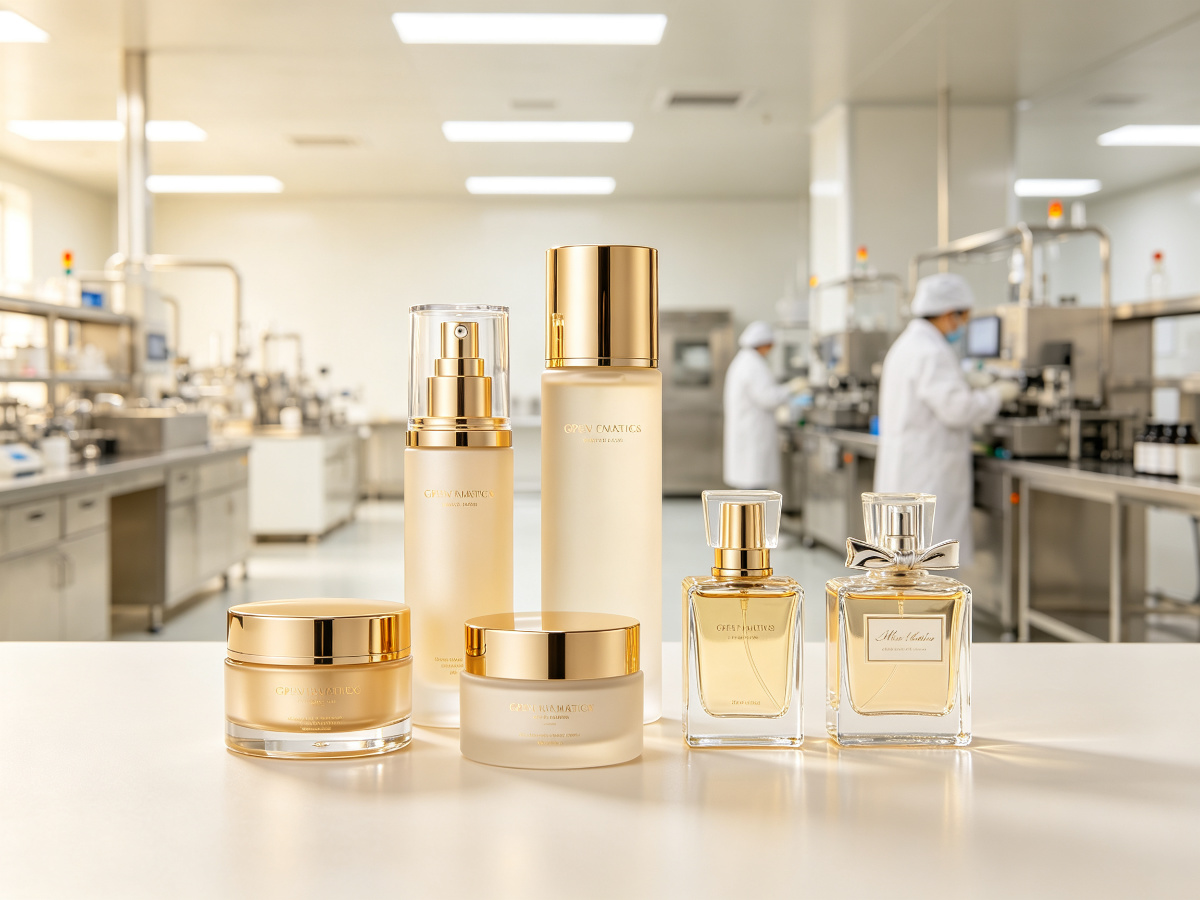
Why Gen Alpha Packaging Matters for New Beauty Brands
Gen Alpha is the first generation born entirely in the 21st century, and they are digital natives who consume content on TikTok, YouTube, and Roblox. They are highly visual, value authenticity, and expect brands to be environmentally conscious. For new beauty brands, packaging is not just a container—it's a communication tool. A 2025 study by Mintel found that 67% of Gen Alpha consumers are more likely to purchase a product if the packaging is interactive or customizable. Moreover, they are influenced by unboxing videos and social media challenges. Therefore, your packaging must be Instagrammable, durable, and aligned with their values. OEM/ODM partners play a pivotal role in translating these trends into cost-effective, scalable solutions. By leveraging The Complete Guide to Choosing an Affordable OEM manufacturer, you can ensure your packaging meets these expectations without breaking the bank.
Key Gen Alpha Packaging Trends for 2026
1. Bold, Playful Colors and Customization
Gen Alpha loves vibrant, high-contrast colors that stand out on shelves and screens. Think neon greens, electric blues, and sunset gradients. But it's not just about color—it's about personalization. Brands like Starface and Bubble have successfully used colorful, customizable packaging to engage young consumers. OEM/ODM partners should prepare to offer:
- Color-matching capabilities: Pantone matching for bottles, jars, and caps.
- Modular designs: Interchangeable lids or stickers that allow users to personalize their products.
- Limited-edition drops: Seasonal colorways to create urgency and collectibility.
When sourcing, ask your manufacturer about MOQs for custom colors—typically 5,000–10,000 units per SKU for injection-molded parts, but some suppliers offer lower MOQs for airless bottles or tubes. Lead times for custom colors can range from 30–45 days after sample approval.
2. Interactive and Multi-Sensory Design
Gen Alpha expects packaging to be more than passive. Interactive elements such as pop-up mechanisms, scratch-and-sniff panels, or QR codes that unlock AR filters are becoming popular. For example, a lip gloss with a hidden compartment for a charm or a moisturizer with a built-in mirror and LED light. OEM/ODM partners should be ready to integrate:
- QR codes: Link to tutorials, games, or recycling instructions.
- Textured finishes: Soft-touch coatings, embossing, or 3D printing for tactile appeal.
- Refillable systems: Encourage repeat purchases and reduce waste.
These features require close collaboration with your manufacturer's engineering team. Ensure they have experience with electronics integration (for LED) and can source components that meet safety standards (e.g., FDA, CPSIA for children's products).
3. Sustainable Materials and Transparency
Gen Alpha is the most eco-conscious generation yet. They demand recyclable, biodegradable, or refillable packaging. According to a 2025 Nielsen report, 73% of Gen Z and Gen Alpha consumers are willing to pay more for sustainable products. For new brands, this means:
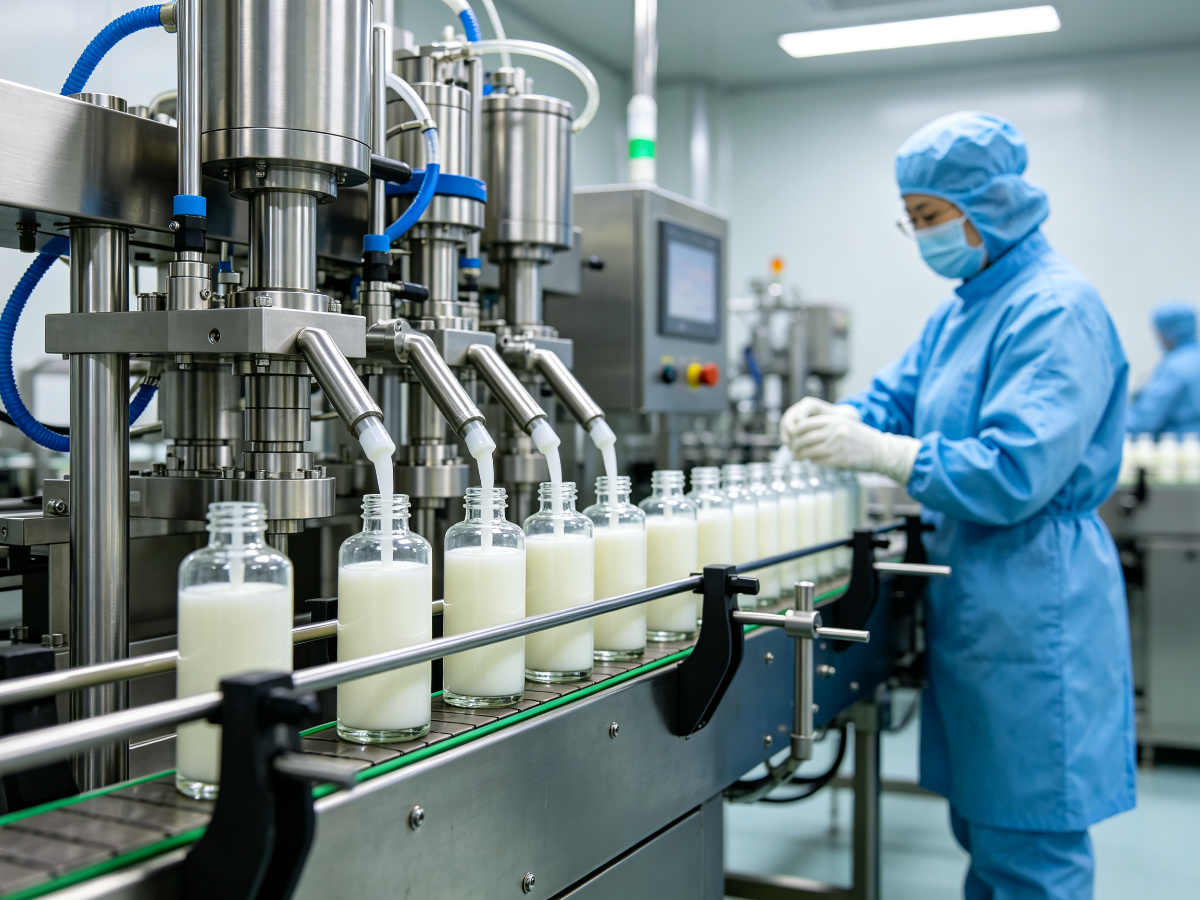
- PCR (Post-Consumer Recycled) plastics: Up to 100% PCR content in bottles and jars.
- Refillable pods: Reduce plastic waste by up to 70%.
- Compostable materials: PLA or bamboo for outer cartons.
Your OEM/ODM partner should have certifications like ISO 22716 (GMP) and offer documentation on material sourcing. Be wary of greenwashing—ask for third-party certifications such as FSC or Cradle to Cradle. Also, consider the end-of-life impact: a package that looks sustainable but isn't recyclable can backfire on social media.
4. Minimalist Yet Functional Aesthetics
While bold colors are in, there's also a counter-trend toward clean, minimalist packaging that emphasizes function and sustainability. This appeals to Gen Alpha's growing interest in skincare and self-care. Think sleek, monochromatic bottles with clear labeling and easy-to-use pumps. OEM/ODM partners should offer:
- Airless pump systems: Preserve formula integrity and allow precise dosing.
- Dropper bottles: For serums and oils, with child-resistant caps if needed.
- Compact designs: Travel-friendly sizes for on-the-go lifestyles.
For formulation trends that complement minimalist packaging, see our article on Silicone-Free Sensory Enhancers in Skincare and fragrance OEM 2026.
How to Choose an OEM/ODM Partner for Gen Alpha Packaging
Selecting the right manufacturing partner is crucial to executing these trends successfully. Here are key factors to evaluate:
1. Capabilities and Expertise
Look for a manufacturer with experience in your product category (e.g., color cosmetics, skincare) and a portfolio that includes interactive or sustainable packaging. Ask for case studies or samples of similar projects. wyoem, for instance, specializes in OEM/ODM for perfume, skincare, makeup, and personal care, with in-house tooling and decoration capabilities.
2. MOQs and Flexibility
New brands often need low MOQs to test the market. Typical MOQs for custom packaging range from 3,000 to 10,000 units, but some suppliers offer 1,000 units for stock molds with custom decoration. Discuss your growth plans—can the manufacturer scale with you? Also, clarify lead times: standard production is 25–35 days after sample approval, but complex designs may take longer.
3. Certifications and Compliance
Ensure your partner holds ISO 22716, GMP, and FDA registrations. For products intended for children, verify compliance with CPSIA and ASTM F963. These certifications protect your brand from recalls and legal issues.
4. Communication and Sampling
Responsive communication is vital. A good OEM/ODM partner will provide 3D renderings, rapid prototyping (SLA or CNC), and physical samples within 7–14 days. They should also offer design for manufacturability (DFM) feedback to optimize costs.
5. Cost Transparency
Pricing depends on materials, decoration, and order volume. For example, a custom airless bottle with silk-screen printing might cost $0.80–$1.50 per unit at 10,000 units, while a simple PET bottle with a label could be $0.20–$0.40. Request a detailed quote breakdown to avoid hidden fees.
Common Mistakes to Avoid
- Ignoring safety regulations: Gen Alpha products must meet stringent safety standards. Always test for heavy metals and ensure child-resistant packaging where necessary.
- Overlooking sustainability claims: If you claim recyclability, ensure your packaging is truly recyclable in practice. Provide clear instructions.
- Choosing price over quality: Cheap packaging can leak, break, or look cheap—damaging your brand's reputation. Balance cost with durability and aesthetics.
- Not planning for scalability: What works for 1,000 units may not work for 50,000. Discuss scale-up early.
- Neglecting social media appeal: Packaging must be photogenic and shareable. Test with your target audience before mass production.
Questions to Ask Your OEM/ODM Supplier
Before signing a contract, ask these questions to ensure alignment:
- What are your MOQs for custom colors and shapes?
- Can you provide samples of interactive packaging (e.g., QR codes, refillable mechanisms)?
- What sustainable materials do you offer, and what certifications do they have?
- What is your typical lead time for new tooling and production?
- How do you handle quality control and testing?
- Can you assist with regulatory compliance for different markets?
- What is your pricing structure, and are there any additional costs?
- Do you offer design support or work with third-party designers?
- What is your process for resolving defects or delays?
- Can you provide references from similar brands?
For more detailed guidance, visit our Faq page or Contact Us directly.
Conclusion: Preparing Your Brand for Gen Alpha
As Gen Alpha's purchasing power grows, new beauty brands must adapt their packaging strategies to meet their unique preferences. By embracing bold colors, interactive features, and sustainable materials, you can create packaging that not only protects your product but also tells a story that resonates. The right OEM/ODM partner will be instrumental in bringing these trends to life efficiently and cost-effectively. At wyoem, we specialize in helping new brands navigate these decisions, from concept to shelf. Explore our About page to learn more about our capabilities, or Contact Us to schedule a consultation and request samples. Stay ahead of the curve—your Gen Alpha customers are waiting.
For product catalog, quotation, or sampling, please contact us
Contact: SIGE
Email: 27005046@qq.com
WhatsApp / WeChat: +86 15622220825
Website: www.wyoem.com | Main site: www.8OEM.com