How to Find a Cosmetics OEM Factory with Low MOQ: A 2026 Guide for Emerging Brands
Launching a cosmetics brand in 2026 is more accessible than ever, thanks to the rise of flexible manufacturing. For startups and small brands, finding a cosmetics OEM factory with low MOQ is the key to testing the market without overcommitting capital. This guide walks you through the entire process—from understanding what OEM manufacturing is to vetting suppliers, negotiating MOQs, and avoiding common pitfalls. Whether you're dreaming of a niche perfume line or a full color cosmetics range, this roadmap will help you make informed decisions.
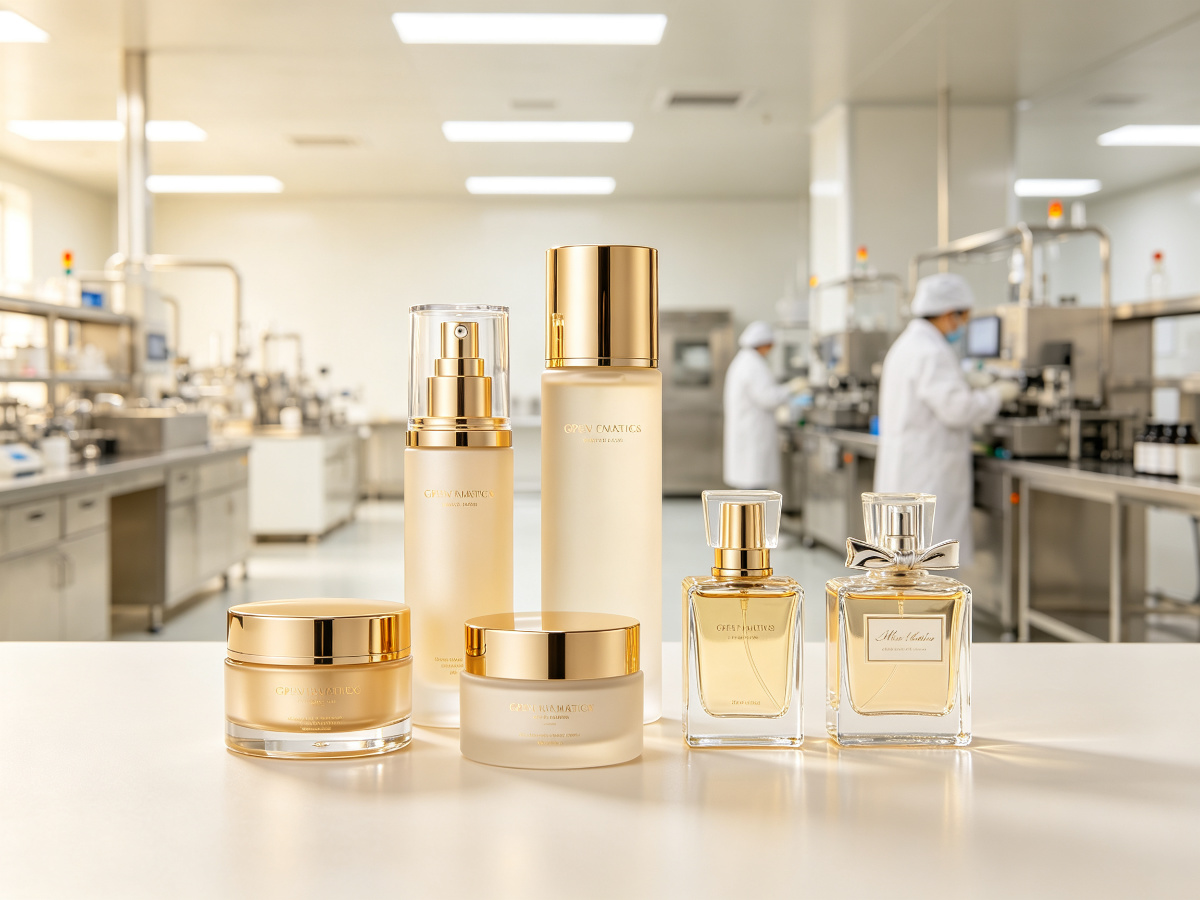
What is Cosmetics OEM Manufacturing?
OEM stands for Original Equipment Manufacturer. In the cosmetics industry, an OEM factory produces products according to your specifications—your formulas, your packaging, your brand. You provide the recipe or choose from stock formulas, and the factory handles production, filling, and sometimes packaging. This differs from ODM (Original Design Manufacturer), where the factory offers ready-made formulations that you can brand. Understanding the cosmetics OEM vs ODM difference is crucial: OEM gives you full control and uniqueness but often requires higher MOQs and investment; ODM is faster and cheaper but less exclusive. Many factories, including wyoem, offer both models to accommodate different business stages.
Why Low MOQ Matters for New Brands
Traditional cosmetics manufacturing often demands minimum order quantities (MOQs) of 10,000 units per SKU. For a startup, that translates to tens of thousands of dollars in inventory—a risky proposition. A cosmetics OEM factory with low MOQ allows you to order as few as 500 to 3,000 units per SKU, reducing upfront costs and enabling market testing. Low MOQ also lets you iterate quickly: launch a small batch, gather feedback, and refine your formula or packaging before scaling.
Typical MOQ Ranges in the Industry
MOQs vary widely based on product type, packaging, and customization level. Here's a snapshot of what you can expect from a low-MOQ factory in 2026:
| Product Category | Typical Low MOQ Range | Lead Time (approx.) |
|---|---|---|
| Skincare (creams, serums) | 500 – 2,000 units | 25 – 40 days |
| Color Cosmetics (lipstick, foundation) | 1,000 – 3,000 units | 30 – 45 days |
| Perfume | 500 – 1,500 units | 35 – 50 days |
| Personal Care (body lotion, cleanser) | 1,000 – 2,500 units | 25 – 40 days |
Note that these are ballpark figures; actual MOQs depend on formula complexity, packaging availability, and whether you choose stock or custom components. For a deeper dive into MOQ planning, see our Knowledge Center.
Key Factors That Influence MOQ
Not all low-MOQ factories are created equal. Several factors determine how low a supplier can go:
- Packaging: Custom molds for bottles or compacts require high MOQs (often 10,000+). Using stock packaging can reduce MOQ to 500 units. Consider Gen Alpha Packaging Trends for New Beaut for inspiration on ready-made options.
- Formula: Stock formulas have lower MOQs than custom-developed ones. If you want a unique formula, be prepared for a higher MOQ or a development fee.
- Production Process: Simple emulsions (lotions) are easier to produce in small batches than complex anhydrous products or those requiring special equipment.
- Certifications: Factories with ISO 22716, GMP, or FDA registration may have higher MOQs due to stricter quality control, but they offer better compliance and safety.
How to Choose a Cosmetics OEM Factory with Low MOQ
Finding the right partner requires due diligence. Follow these steps to identify a reliable low-MOQ manufacturer:

- Define Your Needs: Know your product category, target price point, and desired launch date. This helps you filter suppliers quickly.
- Research and Shortlist: Look for factories that explicitly advertise low MOQs. Check their websites, request catalogs, and read reviews. For a comprehensive guide, see The Complete Guide to Choosing an Afford.
- Verify Certifications: Ensure the factory holds relevant certifications such as ISO 22716 (Good Manufacturing Practices), GMP, and FDA registration if exporting to the US. These are non-negotiable for quality and legal compliance.
- Request Samples: Always order samples to evaluate texture, scent, and packaging quality. A good factory will provide samples at a reasonable cost or free with a future order commitment.
- Discuss MOQ and Pricing: Be transparent about your budget and volume. Negotiate MOQ if possible—some factories are flexible if you agree to longer lead times or use stock components.
- Assess Communication: Prompt, clear communication is a sign of a professional partner. Test their responsiveness during the inquiry stage.
At wyoem, we specialize in low-MOQ OEM/ODM services for perfume, skincare, makeup, and personal care. Our team guides you from concept to shelf. Contact Us to discuss your project.
Common Mistakes to Avoid
Many new brand owners stumble into avoidable traps. Here are the most common mistakes when working with a cosmetics OEM factory with low MOQ:
- Choosing on Price Alone: The cheapest option may cut corners on ingredients or quality control. Balance cost with reliability and certifications.
- Ignoring Lead Times: Low MOQ doesn't mean instant production. Factor in 30–50 days for manufacturing, plus shipping. Plan your launch accordingly.
- Skipping Legal Requirements: Ensure your products comply with local regulations (e.g., FDA in the US, EU Cosmetics Regulation). The factory should provide necessary documentation.
- Overlooking Packaging Compatibility: Not all formulas work with all packaging. Test compatibility early to avoid leaks or degradation.
- Underestimating Shipping Costs: For international orders, shipping can add 20–30% to your landed cost. Get quotes upfront.
Questions to Ask Potential Suppliers
Before signing a contract, ask these questions to gauge a factory's suitability:
- What is your MOQ for my specific product and packaging choice?
- What certifications do you hold (ISO 22716, GMP, FDA)?
- Can you provide references from similar brands?
- What is your typical lead time from order to delivery?
- Do you offer formulation development, or must I provide a recipe?
- What are your payment terms? (Typically 30–50% deposit, balance before shipment.)
- How do you handle quality issues or returns?
- Can you assist with packaging sourcing and design?
For more insights on formulation trends, check out Silicone-Free Sensory Enhancers in Skinc.
How to Start a Cosmetics Brand with OEM
If you're wondering how to start a cosmetics brand with OEM, here's a simplified roadmap:
- Market Research: Identify your niche and target audience.
- Branding: Develop your brand name, logo, and packaging design.
- Product Selection: Choose your initial SKUs (start with 1–3 products).
- Supplier Search: Find a low-MOQ OEM factory that aligns with your vision.
- Sampling: Test and refine your products.
- Compliance: Ensure all regulatory requirements are met.
- Production: Place your first order and prepare for launch.
- Marketing: Build hype through social media, influencers, and e-commerce.
Many entrepreneurs opt for the best private label cosmetics OEM that offers low MOQs and comprehensive support. wyoem, for example, provides end-to-end services including formulation, filling, and packaging.
Conclusion
Finding a cosmetics OEM factory with low MOQ is a game-changer for emerging brands. It minimizes risk, allows for agility, and opens doors to innovation. By understanding MOQ drivers, vetting suppliers thoroughly, and avoiding common mistakes, you can launch successfully in 2026. Remember to prioritize quality and compliance over rock-bottom prices. With the right partner, your beauty brand can thrive in a competitive market. Ready to start? Explore our Knowledge Center or Contact Us today.
For product catalog, quotation, or sampling, please contact us
Contact: SIGE
Email: 27005046@qq.com
WhatsApp / WeChat: +86 15622220825
Website: www.wyoem.com | Main site: www.8OEM.com