How to Choose Between Cosmetics OEM and ODM: A 2026 Guide for Global Brand Owners
When launching a beauty brand, one of the first critical decisions you'll face is how to choose between cosmetics OEM and ODM. This choice shapes everything from your product development timeline to your branding flexibility and upfront costs. In 2026, the global cosmetics manufacturing landscape offers more options than ever, but it also demands a sharper understanding of what each model delivers. Whether you're an entrepreneur with a bold new skincare line or a procurement manager sourcing for an established international brand, this guide will walk you through the key differences, practical considerations, and actionable steps to make the right call.
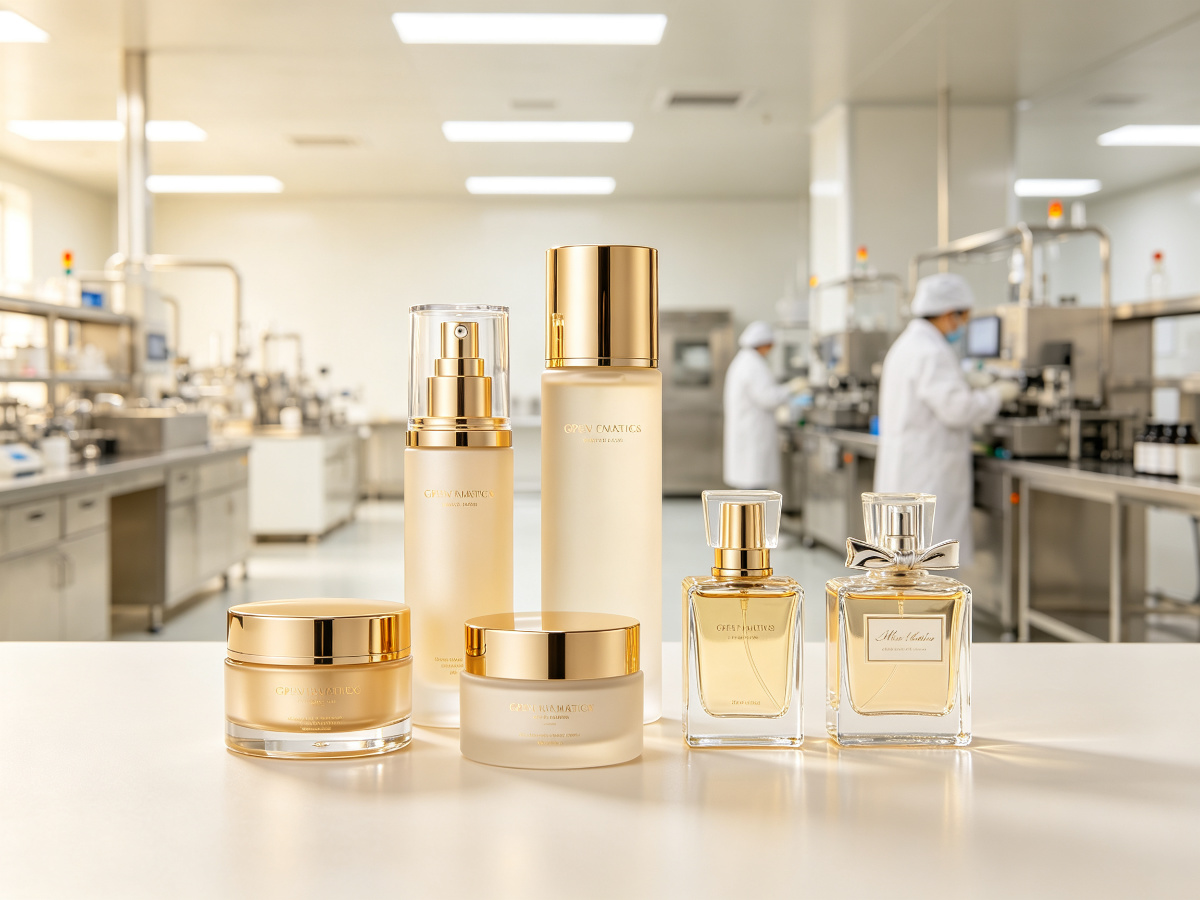
Understanding the Core Difference: OEM vs. ODM
Before diving into selection criteria, let's clarify what each term means in the cosmetics industry.
- OEM (Original Equipment Manufacturer): You bring the formulation, specifications, and often the packaging design. The manufacturer produces your product exactly as you define it. This model offers maximum brand differentiation but requires more R&D investment and a higher MOQ (typically 5,000–10,000 units per SKU).
- ODM (Original Design Manufacturer): The manufacturer offers a catalog of ready-to-customize formulations. You select a base formula, adjust fragrance, color, or active ingredients, and apply your branding. This model is faster and more cost-effective, with MOQs often starting at 1,000–3,000 units per SKU.
Neither model is inherently better—it depends on your resources, timeline, and brand vision. Many successful brands start with ODM to test the market, then transition to OEM for signature products.
Key Factors to Evaluate When Choosing Between Cosmetics OEM and ODM
To make an informed decision, assess these five factors against your business goals.
1. Brand Differentiation and IP Ownership
If your brand promise hinges on a proprietary formula—say, a unique retinol blend or a signature perfume accord—OEM is the clear path. You own the intellectual property and control every ingredient. ODM formulas are often shared across multiple clients, so exclusivity is limited unless you negotiate a custom variation. For indie perfume brands, ODM can work for initial launches, but scaling usually demands OEM to stand out.
2. Budget and MOQ
Your budget directly influences the choice. ODM typically requires lower upfront investment because the manufacturer has already absorbed R&D costs. OEM demands higher tooling, testing, and minimum order quantities. Here's a quick comparison:
| Factor | OEM | ODM |
|---|---|---|
| MOQ per SKU | 5,000–10,000 units | 1,000–3,000 units |
| Upfront R&D cost | High (formulation, testing) | Low to none |
| Lead time (first order) | 12–20 weeks | 6–10 weeks |
| Brand exclusivity | Full | Limited |
If you're testing a new makeup line with lipstick, foundation, and mascara, ODM lets you launch with lower risk. For a full custom skincare regimen, OEM may justify the investment.
3. Time to Market
Speed matters in beauty. ODM can cut 4–8 weeks off your timeline because formulations are pre-tested and stable. OEM adds time for sampling, stability testing, and regulatory documentation. If you're aiming for a Q4 holiday launch, ODM might be the only feasible route.
4. Customization and Packaging
Both models allow custom packaging, but ODM often restricts you to the manufacturer's existing component molds unless you pay for new tooling. OEM gives you full control over packaging design, decoration (hot stamping, silk screening, spray coating), and even bespoke molds. If packaging is a core brand differentiator—think a uniquely shaped perfume bottle—OEM is worth the extra cost.
5. Certifications and Compliance
Global distribution requires compliance with ISO 22716, GMP, and regional regulations like FDA (US), EU Cosmetics Regulation, and ASEAN Cosmetic Directive. Reputable manufacturers hold these certifications regardless of OEM/ODM model. Always verify their certificates and ask for recent audit reports. A cosmetics OEM supplier for international brands should also offer documentation support for customs and product registration.
How to Choose: A Step-by-Step Decision Framework
Follow this framework to make a confident choice.
- Define your non-negotiables: Is a proprietary formula essential? If yes, lean OEM. If speed and cost are priority, lean ODM.
- Map your budget and MOQ capacity: Calculate total landed cost, including packaging, testing, and shipping. ODM may save 20–30% upfront.
- Assess your timeline: Work backward from your launch date. If you have less than 12 weeks, ODM is safer.
- Evaluate manufacturer capabilities: Not all factories excel at both. Some specialize in ODM for color cosmetics; others are OEM-focused for skincare. Ask for case studies.
- Pilot with a small batch: Many brands start with ODM for a hero product, then move to OEM for line extensions. This hybrid approach balances risk and differentiation.
For a deeper dive into vetting manufacturers, see our guide on How to Select a Cosmetics OEM Manufactur.

Common Mistakes to Avoid
Even experienced buyers stumble. Watch out for these pitfalls:
- Assuming ODM means no customization: Many ODM suppliers offer significant tweaks—fragrance, actives, color—so ask before dismissing.
- Underestimating MOQs: ODM MOQs can still be 3,000 units per SKU. If you have 10 SKUs, that's 30,000 units. Plan cash flow accordingly.
- Ignoring regulatory support: Some manufacturers claim compliance but don't provide the documentation you need for customs. Always confirm.
- Choosing solely on price: Cheap quotes often hide costs for packaging, testing, or shipping. Request a full cost breakdown.
- Skipping samples: Never commit to a full production run without approving pre-production samples. This is non-negotiable.
Questions to Ask Potential Suppliers
When interviewing manufacturers, ask these questions to separate top-tier partners from the rest:
- What is your MOQ for OEM and ODM projects? Does it vary by product category?
- Can you provide recent ISO 22716 and GMP certificates? Are you FDA-registered?
- What is your typical lead time for a first order? For reorders?
- Do you offer in-house packaging design and decoration? What are the tooling costs?
- How do you handle stability testing and compatibility testing?
- Can you share references from international brand clients?
- What are your payment terms? (Typical: 30% deposit, 70% before shipment.)
- Do you provide regulatory documentation for the US, EU, and Asia?
For a comprehensive checklist, visit our Knowledge Center.
Where to Get Cosmetics OEM Services Online
In 2026, sourcing has moved online. Platforms like Alibaba, Global Sources, and specialized directories connect you with manufacturers. However, vetting is crucial. Look for suppliers with verified certifications, video audits, and transparent pricing. Many brands now use direct outreach to established factories like wyoem, which offers private label services for perfume, skincare, makeup, and personal care. When searching for Cosmetics OEM with Custom Packaging: A 2, prioritize partners that provide end-to-end support—from formulation to fulfillment.
Which Cosmetics OEM Offers Private Label?
Private label is essentially ODM with your brand name. Many manufacturers offer it, but quality varies. For hair care, look for factories with specific expertise in surfactants, silicones, and scalp actives. The The Best Cosmetics OEM for Organic Produ often have dedicated lines for natural formulations. Always request a sample kit before committing.
Best Cosmetics OEM for Hair Care
Hair care is a specialized category. The best partners have in-house labs for testing viscosity, foam height, and conditioning performance. They also understand regional preferences—e.g., sulfate-free shampoos for the US, or silicone-heavy serums for Asia. When evaluating, ask about their experience with bond-building treatments, curl creams, and scalp serums. A manufacturer with a strong hair care portfolio will have case studies and repeat clients.
Cosmetics OEM Supplier for International Brands
If you sell across borders, your manufacturer must handle export documentation, labeling compliance, and logistics. Look for suppliers with dedicated international account managers, experience with Incoterms, and partnerships with freight forwarders. They should also be familiar with country-specific regulations, such as the EU's CPNP notification or China's NMPA registration. A supplier that exports regularly will save you months of headaches.
Trend Alert: 2027 Feel-Good Beauty
As you plan your 2026–2027 roadmap, consider emerging trends. Mood-boosting skincare and aromatherapy-infused products are gaining traction. Our article 2027 Feel-Good Beauty Trends: Your OEM G explores how to align your OEM/ODM strategy with this movement. Early adopters can secure unique formulations and packaging that resonate with consumers seeking emotional wellness.
Conclusion: Making the Right Choice for Your Brand
Deciding how to choose between cosmetics OEM and ODM comes down to your brand's unique needs: differentiation, budget, speed, and control. OEM offers full customization and IP ownership at a higher cost and longer timeline. ODM provides speed and lower MOQs with limited exclusivity. Many successful brands use a hybrid approach—launching with ODM and transitioning to OEM for signature products. Whatever you choose, vet your manufacturer thoroughly, ask the right questions, and start with a pilot batch. For personalized guidance, Contact Us or return to our Home page to explore more resources. With the right partner, your beauty brand can thrive in 2026 and beyond.
For product catalog, quotation, or sampling, please contact us
Contact: SIGE
Email: 27005046@qq.com
WhatsApp / WeChat: +86 15622220825
Website: www.wyoem.com | Main site: www.8OEM.com