The Best Cosmetics OEM for Organic Products: A 2026 Buyer's Guide to Vetting Manufacturers
Finding the best cosmetics OEM for organic products is the single most important decision you will make when launching or scaling an organic beauty brand. Unlike conventional cosmetics, organic formulations demand stricter sourcing, certified supply chains, and manufacturing environments that prevent cross-contamination. A wrong partner can delay your launch by months or force you to reformulate after a failed audit. This guide gives global brand owners and procurement managers a practical framework to identify, vet, and secure the right OEM partner in 2026.
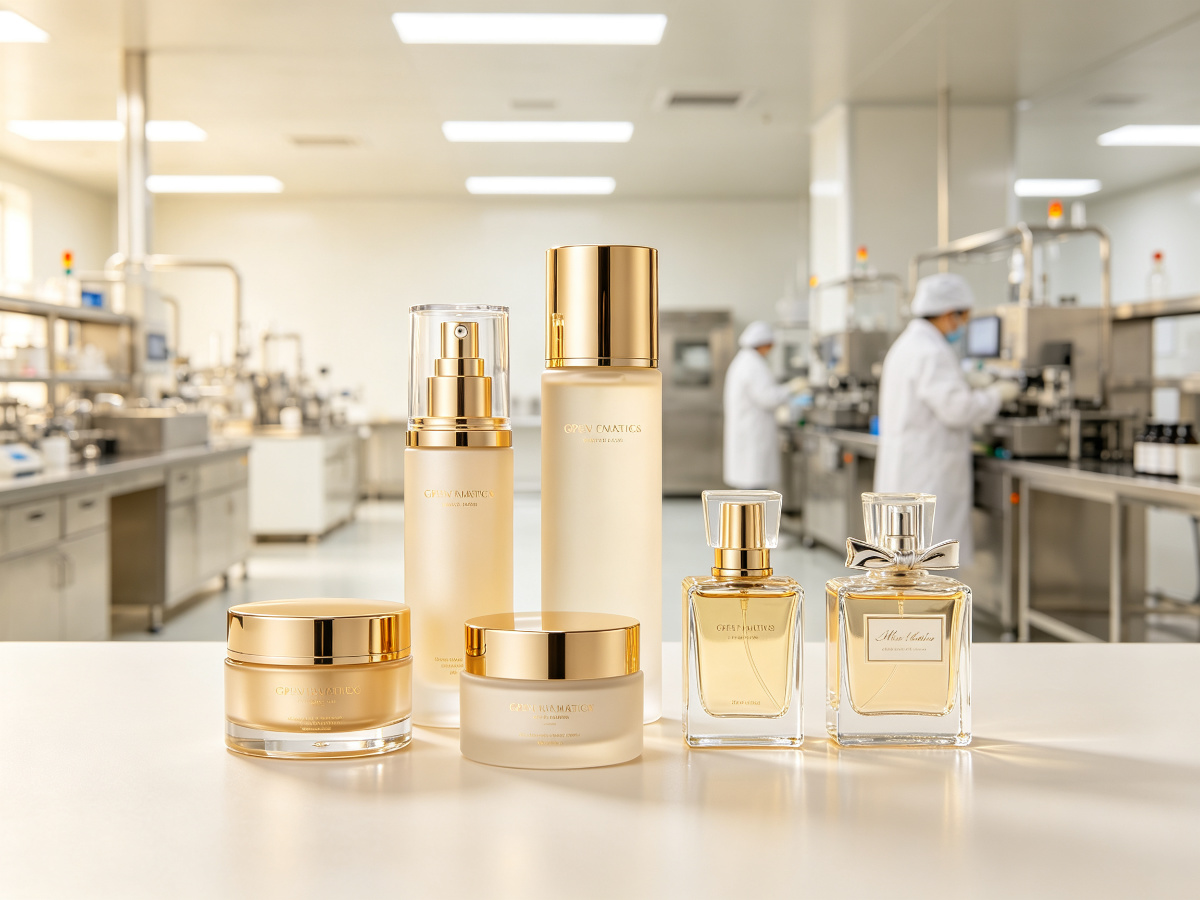
At wyoem, we work with organic-focused brands every day, and we have seen which questions separate a reliable manufacturer from a risky one. Below, you will find the key factors, a step-by-step selection process, common mistakes, and a supplier questionnaire you can copy and paste.
Key Factors When Selecting the Best Cosmetics OEM for Organic Products
Organic claims are regulated differently in every market. In the EU, COSMOS or NATRUE certification is often required for a product to be marketed as organic. In the US, the USDA Organic seal applies only to products with 95%+ organic ingredients (excluding water and salt). Your OEM must understand these distinctions and hold the relevant certifications.
1. Certifications and Compliance
At minimum, an organic cosmetics OEM should hold ISO 22716 (GMP for cosmetics) and ISO 9001. For organic-specific claims, look for COSMOS ORGANIC, ECOCERT, or NATRUE certification. If you plan to sell in the US, the manufacturer should be FDA-registered and familiar with MoCRA (Modernization of Cosmetics Regulation Act) requirements. For global shipping, ask about compliance with EU CPNP, UK SCPN, and ASEAN cosmetic directives.
2. Raw Material Sourcing and Traceability
Organic ingredients like cold-pressed oils, organic aloe, and certified essential oils are prone to adulteration. A strong OEM will provide batch-level traceability, supplier certificates, and Certificates of Analysis (COA) for every organic input. Ask whether they source from certified organic farms and whether they can provide organic percentage calculations for your formula.
3. MOQ and Pricing Structure
MOQs for organic products are typically higher than conventional lines because organic raw materials have longer lead times and higher minimum purchase quantities. Expect MOQs ranging from 3,000 to 10,000 units per SKU for skincare, and 5,000 to 20,000 units for color cosmetics. Per-unit pricing depends on the organic certification level, packaging type, and order volume. A 50ml organic face cream might cost $2.50–$4.50 per unit at 5,000 units, while a certified organic serum can reach $6–$9 per unit.
4. Global Shipping and Logistics
If you are sourcing from Asia, choose a cosmetics OEM manufacturer with global shipping experience. They should handle export documentation, dangerous goods declarations for alcohol-based products, and temperature-controlled shipping for heat-sensitive organic actives. Ask for their average lead time to your region: typically 30–45 days for production plus 20–35 days for ocean freight, or 5–10 days for air freight.
5. R&D and Formulation Support
Organic formulation is chemistry-heavy. A manufacturer without a dedicated R&D team may struggle to stabilize preservative-free or low-preservative systems. Look for an OEM that offers in-house formulation, stability testing, and challenge testing for organic preservation.
How to Choose Between Cosmetics OEM and ODM for Organic Products
Before you shortlist suppliers, decide whether you need OEM or ODM. This choice affects your cost, speed, and brand differentiation.
- OEM (Original Equipment Manufacturer): You provide the formula or work with the manufacturer to develop a custom formula. You own the recipe. This is ideal for organic brands with a unique hero ingredient or proprietary blend. MOQs are usually higher, and development takes 6–12 weeks.
- ODM (Original Design Manufacturer): You select from the manufacturer's existing organic formulas and apply your branding. This is faster and cheaper, with lower MOQs (sometimes 1,000–3,000 units). However, your product may not be unique, and the formula may not meet your specific organic certification target.
If you are a new brand with limited capital, start with ODM to test the market, then transition to OEM for your hero products. For a deeper comparison, see our guide on The Complete Guide to Cosmetics OEM for makeup and skincare.
Where to Get Cosmetics OEM Services Online: A Vetting Checklist
Online sourcing platforms like Alibaba, Global Sources, and Made-in-China list thousands of manufacturers. To avoid scams and low-quality suppliers, follow this vetting process:
- Verify business licenses and factory audits: Request their business license, ISO certificates, and a recent third-party factory audit report (e.g., SGS, Intertek).
- Request samples of organic products: Ask for samples of their existing organic formulas. Check texture, scent, and packaging quality. A legitimate OEM will charge a sample fee but refund it against your first order.
- Ask for references: Speak to 2–3 existing clients, preferably in your target market. Ask about communication, lead times, and quality consistency.
- Check certification validity: Verify COSMOS or ECOCERT certificates on the certifying body's website. Fake certificates are common.
- Discuss MOQ and payment terms: Negotiate a realistic MOQ for your first order. Standard terms are 30% deposit, 70% before shipment. For new brands, some OEMs offer 50/50.
For a full walkthrough of the online sourcing process, visit our Knowledge Center.
Which Cosmetics OEM Offers Private Label for Organic Products?
Private label is a subset of ODM where you apply your brand to a stock formula. Not all OEMs offer private label for organic products because it requires certified organic stock formulas and dedicated production runs to avoid contamination. When evaluating a private label partner, ask:
- Do you have certified organic stock formulas ready for private label?
- Can you customize the fragrance, color, or active concentration without losing certification?
- What is the MOQ for private label organic products? (Typically 1,000–5,000 units.)
- Do you offer packaging customization, such as airless pumps or glass jars? See Cosmetics OEM with Custom Packaging: A 2 for packaging options.
wyoem offers private label organic skincare, makeup, and personal care with MOQs starting at 3,000 units per SKU. We hold ISO 22716 and work with COSMOS-certified ingredient suppliers.
Common Mistakes When Hiring an Organic Cosmetics OEM
Even experienced procurement managers make these mistakes. Avoid them to save time and money.
| Mistake | Consequence | Solution |
|---|---|---|
| Assuming "natural" equals "organic" | Failed certification, legal claims issues | Verify organic percentage and certification scope |
| Ignoring MOQ and lead time | Stockouts, delayed launch | Plan first order with buffer stock; confirm production slots |
| Not testing stability | Product separates or spoils on shelf | Require 12-week accelerated stability testing |
| Overlooking shipping regulations | Customs seizure, fines | Confirm OEM handles export docs and DG declarations |
| Choosing on price alone | Poor quality, hidden costs | Evaluate total cost of ownership, not unit price |
Another frequent mistake is failing to ask about organic preservation. Many organic formulas require preservative systems that are ECOCERT-approved. If your OEM uses conventional preservatives, your product cannot be certified organic.
Questions to Ask Your Potential Organic Cosmetics OEM
Use this list during your supplier interviews. The answers will quickly reveal whether you are dealing with the best cosmetics OEM for organic products or a middleman.
- What organic certifications do you hold, and can you provide valid certificate numbers?
- Can you provide a sample organic formula with a full ingredient breakdown and organic percentage?
- What is your MOQ for organic skincare, makeup, and perfume?
- What is your average lead time from PO to delivery for a 5,000-unit order?
- Do you offer custom packaging, and what are the MOQs for custom molds?
- How do you prevent cross-contamination between organic and conventional production runs?
- What are your payment terms, and do you offer escrow or trade assurance?
- Can you handle global shipping, including customs clearance and DG declarations?
- What is your policy on defective units or batch failures?
- Can you provide references from brands in my target market?
If you are launching in a specific market like India, also ask about local compliance. Our guide on How to Launch a Beauty Brand in India: O covers CDSCO and import requirements.
Conclusion: Secure the Best Cosmetics OEM for Organic Products
The best cosmetics OEM for organic products is not the one with the lowest price or the flashiest website. It is the manufacturer that holds verifiable organic certifications, offers transparent MOQs and lead times, supports your formulation needs, and can ship globally without compliance headaches. Start by shortlisting 3–5 suppliers, run them through the questions above, and order samples before committing to a production run. For personalized guidance on organic OEM and private label, Contact Us at wyoem. We will help you evaluate your formula, plan your first order, and navigate certification so you can launch with confidence in 2026.
For product catalog, quotation, or sampling, please contact us
Contact: SIGE
Email: 27005046@qq.com
WhatsApp / WeChat: +86 15622220825
Website: www.wyoem.com | Main site: www.8OEM.com