Cosmetics OEM with Custom Packaging: A 2026 Buyer's Guide for Global Brand Owners
Launching a beauty brand in 2026 means competing on shelf presence, not just formula. That is why cosmetics OEM with custom packaging has become the default route for founders who want a unique product without building a factory. Whether you are an indie perfume label or a procurement manager sourcing 50,000 units of serum, the packaging is often the single biggest driver of perceived value — and the biggest source of delay if you get it wrong. This guide walks you through the full roadmap: from zero to launch, MOQ planning, decoration techniques, supplier vetting, and the questions that separate reliable factories from risky ones.
Why Custom Packaging Is the New Battleground in Cosmetics OEM
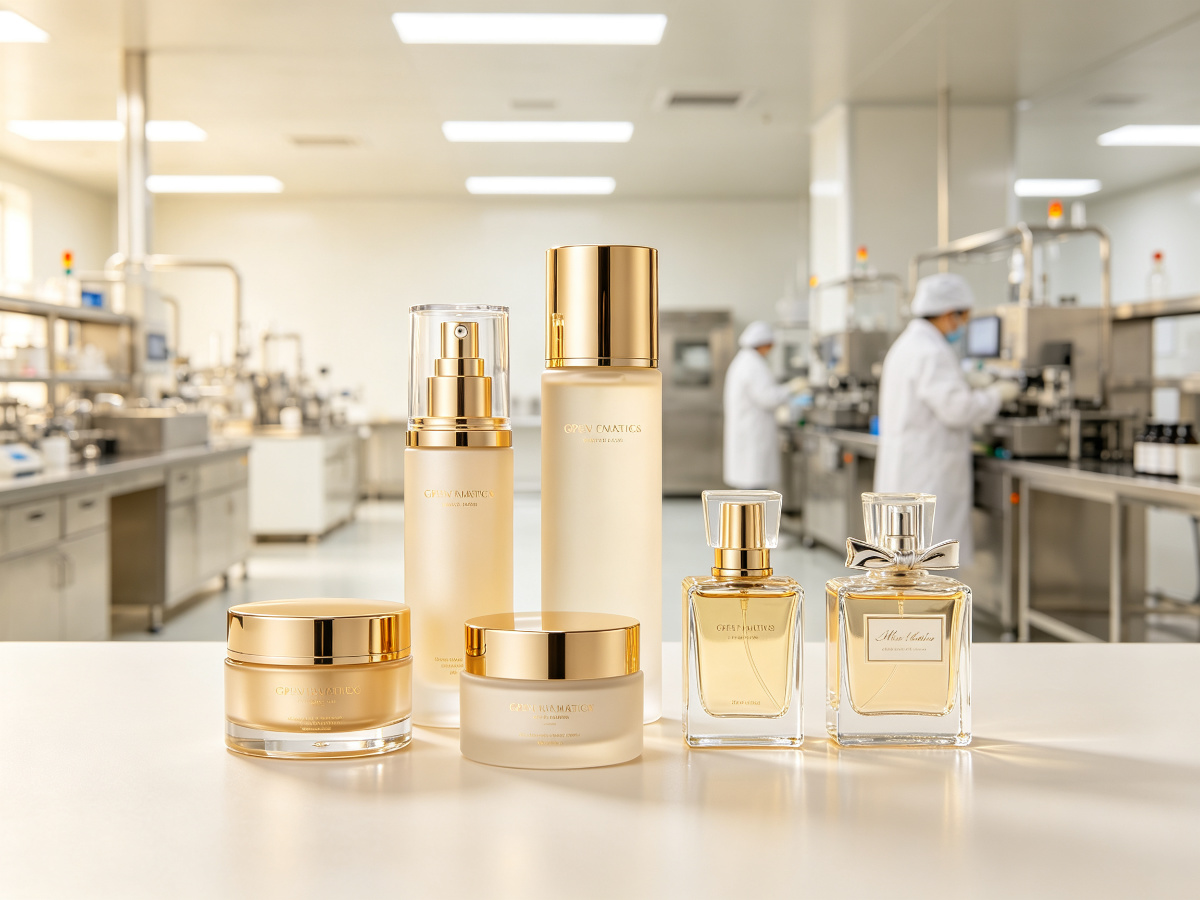
In a market flooded with white-label formulas, packaging is the fastest way to differentiate. A standard 30 ml airless pump can be dressed in soft-touch coating, silk-screen printing, hot stamping, or UV metallization — each adding a different cost and lead time. Buyers who treat packaging as an afterthought often end up with a beautiful formula in a generic bottle that fails to convert on Amazon or in retail.
Working with a manufacturer that offers both formulation and decoration under one roof reduces finger-pointing. At wyoem, for example, custom packaging development runs parallel to formula sampling, so you are not waiting for one stage to finish before the other begins. That parallel workflow alone can shave 3–4 weeks off a typical 10–12 week lead time.
Key Factors That Determine Cost, MOQ, and Lead Time
1. Packaging Type and Material
Packaging choices drive both MOQ and unit cost. Below is a realistic 2026 snapshot for common formats:
| Packaging Type | Typical MOQ | Lead Time (after artwork approval) |
|---|---|---|
| Stock bottle + label | 1,000–3,000 units | 15–25 days |
| Stock bottle + silk-screen print | 3,000–5,000 units | 25–35 days |
| Custom mold (bottle or jar) | 10,000–30,000 units | 45–70 days |
| Lipstick tube (custom color) | 5,000–12,000 units | 30–45 days |
| Perfume glass bottle (custom mold) | 10,000–20,000 units | 50–80 days |
If you are launching a niche perfume line, expect custom glass molds to be the longest-lead item. Many indie brands start with a stock glass bottle plus a custom cap and label, then graduate to a full custom mold once volumes justify the tooling investment (typically USD 3,000–8,000 per mold).
2. Decoration Techniques
Decoration is where costs escalate quickly. Hot stamping, UV coating, and 3D printing each add USD 0.05–0.30 per unit depending on surface area. For makeup private label programs — lipstick, foundation, mascara — the tube itself is often the most expensive component, sometimes exceeding the formula cost. Plan decoration budgets early, and ask your supplier for a decoration cost breakdown per SKU.
3. Formula Complexity
Organic and clean-beauty formulas often require preservative systems that are compatible with custom packaging (e.g., airless pumps for preservative-free serums). If you are searching for the best cosmetics OEM for organic products, confirm the factory holds ISO 22716 and GMP certifications and can provide COA and MSDS for every raw material.
4. Order Volume
MOQ is negotiable but never free. Factories amortize setup costs across the run, so a 1,000-unit order of a custom-colored tube may carry a 30–50% premium versus a 10,000-unit order. A common strategy for first-time brands is to launch 2–3 SKUs at 3,000 units each rather than one SKU at 10,000 units — this spreads risk and lets you test the market.
How to Choose Between Cosmetics OEM and ODM
Before you shortlist factories, decide whether you need OEM or ODM. The distinction matters for cost, speed, and exclusivity.
- OEM (Original Equipment Manufacturer): You bring the formula or brief; the factory manufactures to your specification. Higher upfront R&D cost, but you own the formula and can build a defensible brand.
- ODM (Original Design Manufacturer): The factory offers ready formulas you can brand. Lower upfront cost and faster launch, but the same base formula may be sold to competitors.
For a deeper comparison, see our guide on The Complete Guide to Cosmetics OEM for makeup products, which breaks down when each model makes sense. A hybrid approach is common: start with an ODM base formula, then transition to OEM once you have revenue to fund custom R&D.
Where to Get Cosmetics OEM Services Online — and How to Vet Them
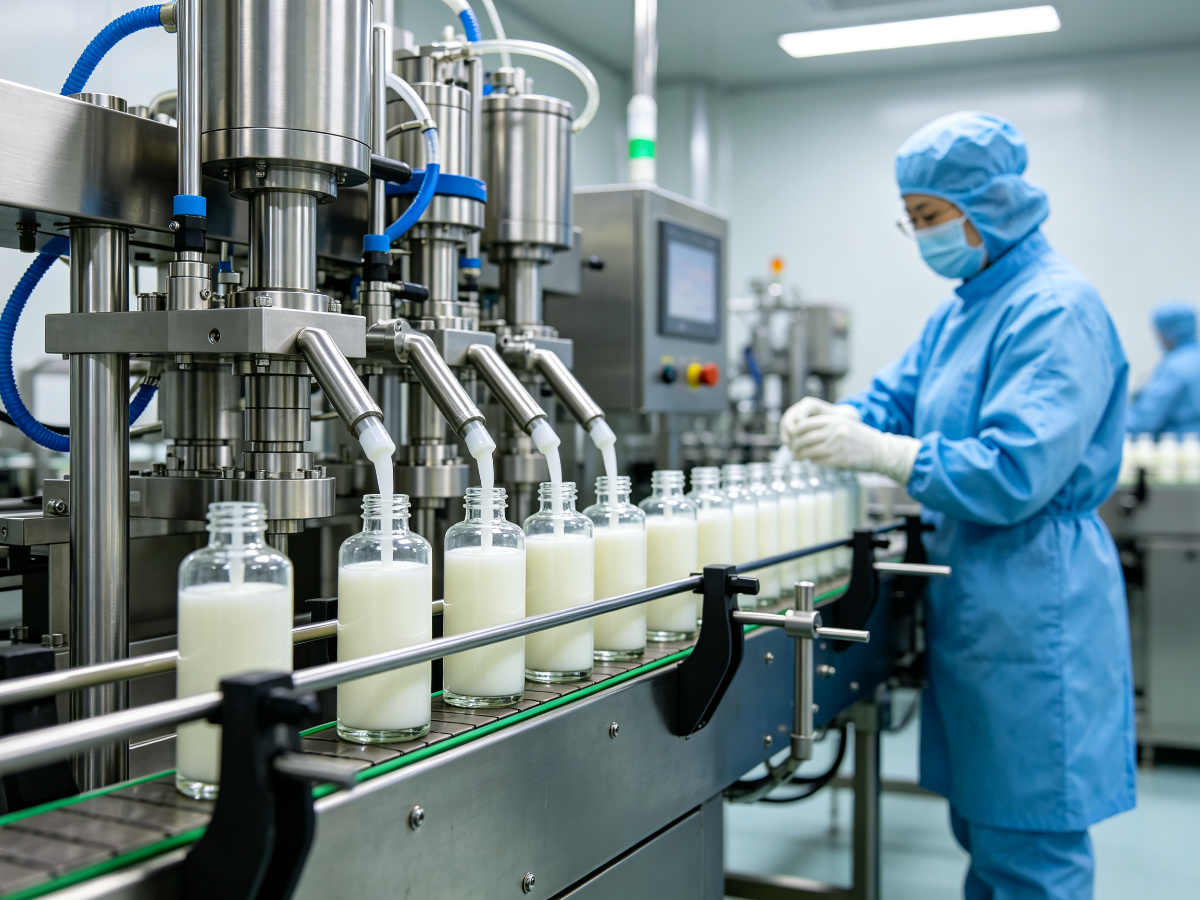
Online sourcing platforms (Alibaba, Global Sources, Made-in-China) are useful for initial discovery, but they are not a substitute for due diligence. Here is a practical vetting checklist:
- Certifications: ISO 22716 (cosmetics GMP), FDA registration (for US market), and REACH compliance (for EU). Ask for certificate numbers you can verify.
- Audit reports: Request a recent third-party audit (SGS, Intertek, Bureau Veritas).
- Sample lead time: Reputable factories deliver custom samples in 7–15 days. If a supplier quotes 4–6 weeks for a sample, they are likely outsourcing.
- Communication: Test responsiveness before you pay. Slow replies during the sales phase usually mean slower replies during production.
- References: Ask for 2–3 current clients in your category and region.
If you are sourcing from China, a cosmetics OEM manufacturer with global shipping capability should offer DDP or DDU terms to your warehouse, plus documentation for customs clearance. Confirm who handles freight insurance and what happens if a container is delayed at port.
Packaging Design and Decoration: From Artwork to Production
Custom packaging projects fail more often from artwork errors than from manufacturing defects. Follow this sequence:
- Dieline approval: Get the dieline from your supplier before designing. Designing on a guessed template wastes weeks.
- Color matching: Request Pantone matching for printed elements. Screen colors on your monitor are unreliable.
- Physical proof: Always approve a physical proof or 3D-printed mockup before mass production. Digital proofs cannot show metallic finishes or embossing.
- Regulatory text: Ensure INCI names, net content, batch code, and country of origin are placed correctly for each market. EU and US requirements differ.
For skincare and personal care lines, our Cosmetics OEM для ухода за кожей: полное guide covers labeling compliance in more detail.
MOQ Planning: How Many Units Should Your First Order Be?
First-order MOQ is a balance between unit economics and cash risk. A practical framework:
- Test launch (online only): 1,000–3,000 units per SKU. Accept higher unit cost to preserve cash.
- Retail-ready launch: 5,000–10,000 units per SKU to hit a viable unit cost and fill initial purchase orders.
- Established brand expansion: 20,000+ units per SKU, often with custom molds.
Do not order 10,000 units of an unproven formula just to save USD 0.20 per unit. The cost of dead inventory is far higher than the savings.
Common Mistakes Buyers Make with Cosmetics OEM and Custom Packaging
- Starting packaging after formula approval. Run both in parallel to save 3–4 weeks.
- Ignoring decoration lead times. Hot stamping and UV coating can add 10–15 days.
- Choosing the cheapest quote. Low quotes often exclude tooling, freight, or compliance testing.
- Skipping stability testing. Custom packaging can interact with formula; always test compatibility.
- Not budgeting for regulatory compliance. FDA registration, CPSR (EU), and testing can add USD 1,500–5,000 per product.
Questions to Ask Every Potential Supplier
Bring this list to your first call. The answers will tell you more than any brochure:
- What is your MOQ for [specific packaging type] with [specific decoration]?
- What is your sample lead time and sample cost? Is it refundable against the first order?
- Which certifications do you hold, and can you share certificate numbers?
- Do you manufacture in-house or outsource packaging?
- What is your production lead time after artwork approval?
- How do you handle quality defects? What is your defect rate and rework policy?
- Can you ship DDP to [your country], and who handles customs?
- What are your payment terms? (Typical: 30% deposit, 70% before shipment.)
For more sourcing checklists, visit our Knowledge Center or read How to Identify Top Rated Cosmetics OEM companies in 2026.
Conclusion: Launch Smarter with the Right OEM Partner
Cosmetics OEM with custom packaging is not just a manufacturing decision — it is a brand-building decision. The right partner helps you balance MOQ, lead time, decoration cost, and compliance so you can launch on schedule and on budget. Whether you are developing a niche perfume line, a makeup private label range, or a clean skincare brand, start by defining your packaging strategy, vetting suppliers against certifications and references, and planning your first order around cash flow rather than unit cost alone.
If you are ready to move from research to production, Contact Us to discuss your project. wyoem supports global brands with ISO 22716 and GMP-certified manufacturing, custom packaging development, and worldwide shipping — from first sample to full-scale launch.
For regional compliance details, see our guide on How to Launch a Beauty Brand in India: O EM, ODM, MOQ and compliance requirements.
For product catalog, quotation, or sampling, please contact us
Contact: SIGE
Email: 27005046@qq.com
WhatsApp / WeChat: +86 15622220825
Website: www.wyoem.com | Main site: www.8OEM.com