Cosmetics OEM vs ODM Difference: A 2026 Buyer's Guide for Brand Owners
When launching a beauty brand, one of the first critical decisions is choosing between OEM and ODM manufacturing. The cosmetics OEM vs ODM difference impacts your budget, timeline, brand identity, and long-term scalability. OEM (Original Equipment Manufacturer) means the factory produces your unique formula under your brand, while ODM (Original Design Manufacturer) offers ready-made formulations that you can customize with your branding. In 2026, with rising consumer demand for personalized beauty, understanding these models is essential for brand owners and procurement managers. This guide breaks down the key factors, costs, and steps to select the right partner—whether you need What Is Cosmetics OEM Manufacturing? A C or a faster ODM route.
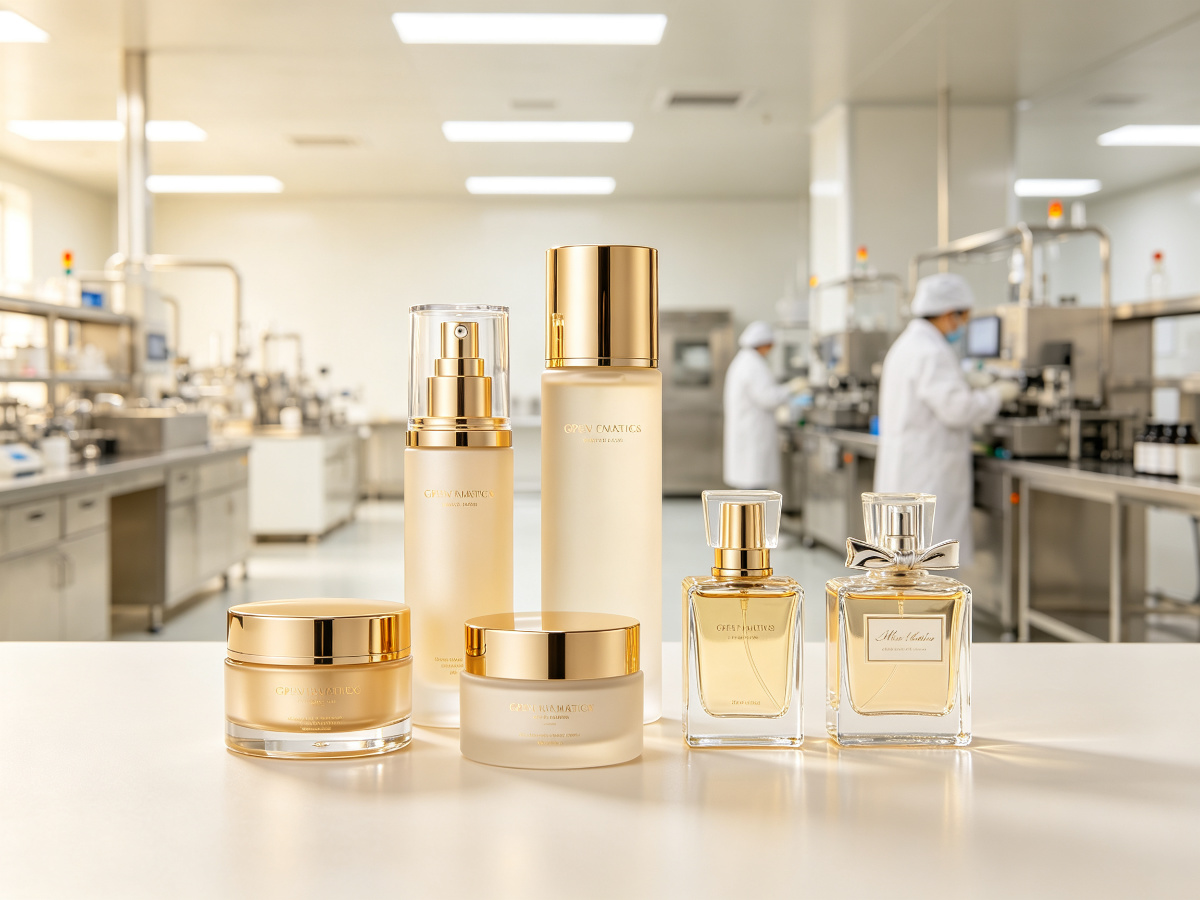
What Is OEM Manufacturing?
OEM manufacturing means you own the formula. You provide the recipe, specifications, and packaging design to a factory that produces the product exclusively for your brand. This model gives you full control over ingredients, efficacy, and differentiation. However, it requires higher investment in R&D, testing, and compliance. MOQs for OEM typically start at 3,000–10,000 units per SKU, with lead times of 45–90 days. Certifications like ISO 22716 and GMP are non-negotiable for global distribution. If you aim to build a unique skincare line, Лучший private label косметики OEM: как explains how to source top-tier OEM partners.
What Is ODM Manufacturing?
ODM manufacturing uses the factory's existing formulas. You select from a catalog, customize scent, color, or active ingredients, and apply your branding. This is faster and cheaper, with MOQs often as low as 1,000 units and lead times of 30–45 days. ODM is ideal for makeup private label programs—lipstick, foundation, mascara—where trend cycles are short. However, your product may resemble competitors' offerings. For emerging brands, ODM reduces upfront risk, but long-term differentiation may suffer.
Key Factors: Cosmetics OEM vs ODM Difference
The cosmetics OEM vs ODM difference boils down to control, cost, and speed. Here's a comparison:
| Factor | OEM | ODM |
|---|---|---|
| Formula Ownership | You own | Factory owns |
| MOQ (per SKU) | 3,000–10,000 units | 1,000–5,000 units |
| Lead Time | 45–90 days | 30–45 days |
| Cost per Unit | Higher (R&D, testing) | Lower (shared formulas) |
| Differentiation | High | Low to medium |
| Compliance | You handle FDA, ISO 22716 | Factory provides documentation |
For skincare, OEM allows custom actives like peptides or niacinamide. For makeup, ODM speeds up launch of trending shades. Consider your brand's positioning: luxury and clean beauty often demand OEM; mass-market and fast-fashion beauty can thrive with ODM.
How to Choose the Right Model for Your Brand
Start by defining your brand's unique value proposition. If you promise proprietary technology or rare ingredients, OEM is necessary. If you compete on trend and price, ODM may suffice. Next, assess your budget: OEM requires $15,000–$50,000 for formulation and testing, while ODM may start at $5,000. Also evaluate your timeline—ODM gets you to market in 2–3 months, OEM in 4–6 months. For a step-by-step launch plan, see Как запустить косметический бренд с OEM-. Finally, consider scalability: OEM formulas can be patented, while ODM limits exclusivity.
How to Find a Good Cosmetics OEM Partner
Finding a reliable partner is critical. Look for factories with ISO 22716, GMP, and FDA registration. Request samples and audit reports. Top rated cosmetics OEM companies often have in-house R&D, stability testing, and regulatory support. For low MOQ options, read How to Find a Cosmetics OEM Factory with. When evaluating cosmetics OEM for skincare products, prioritize labs with expertise in emulsions and serums. For cosmetics OEM for makeup products, ensure color-matching capabilities and bulk packaging. wyoem, a China-based OEM/ODM manufacturer, offers both models with MOQs from 1,000 units and full compliance support.
Common Mistakes to Avoid
- Underestimating MOQs: Ordering too little can lead to higher unit costs or rejected orders.
- Ignoring certifications: Without ISO 22716 or GMP, your products may be blocked at customs.
- Choosing ODM for a unique concept: You may end up with a generic product.
- Not testing stability: Always require accelerated stability tests before mass production.
- Skipping contracts: Ensure IP ownership and exclusivity clauses are clear.
Questions to Ask Suppliers
- What is your MOQ for OEM and ODM respectively?
- Can you provide ISO 22716, GMP, and FDA certificates?
- What is your typical lead time from PO to delivery?
- Do you offer formulation development and stability testing?
- What are your payment terms and sample costs?
- Can you handle packaging design and decoration?
- What is your process for quality control and batch traceability?
Conclusion
Understanding the cosmetics OEM vs ODM difference empowers you to make an informed decision that aligns with your brand's goals. OEM offers uniqueness and control, while ODM provides speed and affordability. Evaluate your resources, target market, and long-term vision. For personalized guidance, explore our Knowledge Center or Contact Us to discuss your project. Visit Home to learn more about wyoem's end-to-end manufacturing solutions. With the right partner, you can launch a successful beauty brand in 2026 and beyond.
For product catalog, quotation, or sampling, please contact us
Contact: SIGE
Email: 27005046@qq.com
WhatsApp / WeChat: +86 15622220825
Website: www.wyoem.com | Main site: www.8OEM.com