How to Choose the Right Cosmetics OEM Manufacturer for Your Brand
In the competitive beauty industry, your product's quality, safety, and innovation start with your manufacturing partner. Whether you're launching a skincare line, perfume brand, or makeup collection, selecting the right cosmetics OEM manufacturer can determine your success. This guide will walk you through the essential factors, common pitfalls, and expert questions to ask when evaluating potential suppliers. As a leading China-based cosmetics OEM/ODM manufacturer, wyoem understands the intricacies of global beauty production—let us help you navigate the journey.
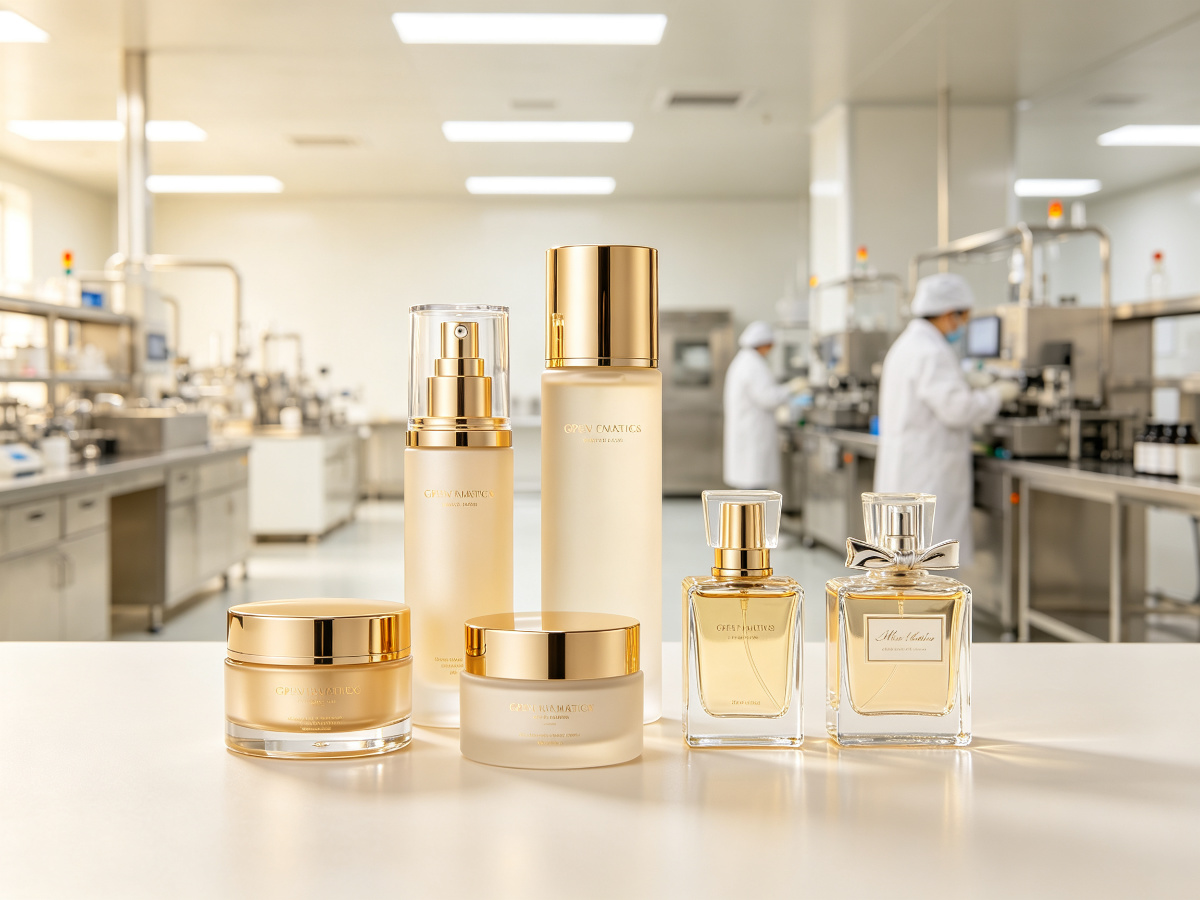
Key Factors to Evaluate in a Cosmetics OEM Manufacturer
When assessing a potential partner, consider more than just price. Here are the critical factors that separate top-tier manufacturers from the rest.
Certifications and Compliance
Your manufacturer must adhere to international quality standards. Look for certifications such as ISO 22716 (Cosmetics GMP) and FDA registration. These ensure that production follows strict hygiene, safety, and traceability protocols. A certified cosmetics OEM supplier will provide documentation and allow third-party audits—non-negotiable for global market entry.
Research and Development Capabilities
Innovation is key to standing out. A robust cosmetics OEM factory should have in-house R&D teams that can create custom formulations tailored to your target market. Whether you need anti-aging actives, clean beauty formulas, or unique fragrance blends, the ability to develop and test new products is a huge advantage. Ask about their lab facilities, stability testing, and safety assessments.
Production Capacity and Lead Times
Understand the manufacturer's minimum order quantities (MOQs) and typical lead times. For startups, lower MOQs (e.g., 3,000–5,000 units per SKU) allow for market testing. Larger brands may require high-volume capabilities. Ensure the factory can scale with your growth and meet your launch deadlines without compromising quality.
Quality Control and Testing
Comprehensive quality control (QC) is essential. Inquire about their QC processes—from incoming raw material inspection to finished product testing. Reputable manufacturers conduct microbial, stability, and compatibility tests. They should also provide certificates of analysis (CoA) for each batch. A reliable cosmetics OEM private label partner will have a dedicated QC team and a transparent system for handling non-conformities.
How to Choose the Right Partner for Your Brand
Narrowing down your options requires a strategic approach. Here are actionable steps to guide your decision.

Define Your Product Vision
Before approaching any manufacturer, clearly define your product concept: the type of product, target audience, key ingredients, and packaging preferences. This clarity helps you communicate your needs and evaluate whether a manufacturer can bring your vision to life. If you need help, wyoem's team can assist in refining your concept—from cosmetics OEM custom formulation to packaging design.
Research and Shortlist Manufacturers
Start by searching online directories, trade shows, and industry referrals. Shortlist at least 3–5 candidates based on their specialization, certifications, and client portfolios. Check their website, case studies, and client testimonials. A reputable cosmetics OEM supplier will be transparent about their capabilities and happy to share references.
Request Samples and Prototypes
Never commit without testing. Request samples of their existing products and, if possible, a prototype of your custom formula. Evaluate texture, fragrance, efficacy, and packaging. This step also reveals the manufacturer's communication and responsiveness. Remember, the cheapest option is not always the best—focus on value.
Audit the Manufacturing Facility
If feasible, conduct a virtual or on-site audit. Check cleanliness, equipment maintenance, and staff training. Review their production flow and warehouse conditions. A well-organized factory reflects a commitment to quality. For international clients, wyoem offers virtual tours and detailed documentation to build trust.
Common Mistakes to Avoid When Selecting a Cosmetics OEM Factory
Many brands make avoidable errors during the selection process. Here are the top pitfalls and how to sidestep them.
Ignoring Regulatory Requirements
Every market has its own regulations—think EU CPNP, US FDA, or China's NMPA. Failing to verify that your manufacturer can comply with these rules can lead to costly delays or rejections. Ensure they have experience exporting to your target countries and can provide necessary documentation, such as free sale certificates and compliance statements.
Overlooking Communication Barriers
Language and time zone differences can hinder collaboration. Choose a manufacturer with fluent English-speaking account managers and a structured communication process. At wyoem, we assign a dedicated project manager to each client, ensuring smooth updates and quick responses.
Choosing Based Solely on MOQ or Price
Low MOQs and cheap prices are attractive, but they may indicate lower quality or limited capabilities. Evaluate the total cost of ownership, including shipping, customs, and potential rework. A slightly higher upfront investment in a quality cosmetics OEM manufacturer can save you money in the long run.
Questions to Ask Potential Cosmetics OEM Manufacturers
To make an informed decision, come prepared with a checklist. Here are critical questions to ask during your initial conversations.
- What are your certifications and how do you ensure GMP compliance? Look for ISO 22716, FDA registration, or equivalent.
- What is your MOQ for private label and custom formulations? Understand the minimums and any additional costs.
- Can you provide a detailed timeline from sample approval to bulk production? Typical lead times range from 4–8 weeks for private label, longer for custom formulas.
- What testing do you perform on finished products? Ask about stability, preservative efficacy, and safety tests.
- Do you offer packaging and labeling support? Many manufacturers provide turnkey solutions, including design and sourcing.
- Can you share client references or case studies? A trustworthy cosmetics OEM factory will gladly provide examples.
Conclusion
Choosing the right cosmetics OEM manufacturer is a strategic decision that impacts your brand's reputation and bottom line. By focusing on certifications, R&D capabilities, quality control, and clear communication, you can forge a partnership that drives innovation and market success. Avoid common mistakes by thoroughly vetting potential suppliers and asking the right questions. Whether you're seeking private label or custom formulation, wyoem offers the expertise, infrastructure, and commitment to help your brand thrive. Explore our Knowledge Center for more insights, or Contact Us today to discuss your project. Begin your journey on our Home page and discover how we can elevate your beauty brand.
Ready to Start Your wyoem Project?
Get a free quote within 24 hours. Low MOQ, global shipping, ISO 22716 certified.
Get Free Quote