How to Choose a Cosmetics OEM Custom Formulation Supplier in 2026
Finding the right cosmetics OEM custom formulation supplier is critical for launching a successful beauty brand in 2026. Whether you're an established brand owner or a startup entrepreneur, your manufacturing partner directly impacts product quality, time-to-market, and profitability. With rising consumer demand for personalized skincare, clean beauty, and niche fragrances, the global cosmetics OEM market is projected to grow at 6.5% CAGR through 2030. This guide provides a comprehensive framework for evaluating and selecting a manufacturing partner that aligns with your business goals.
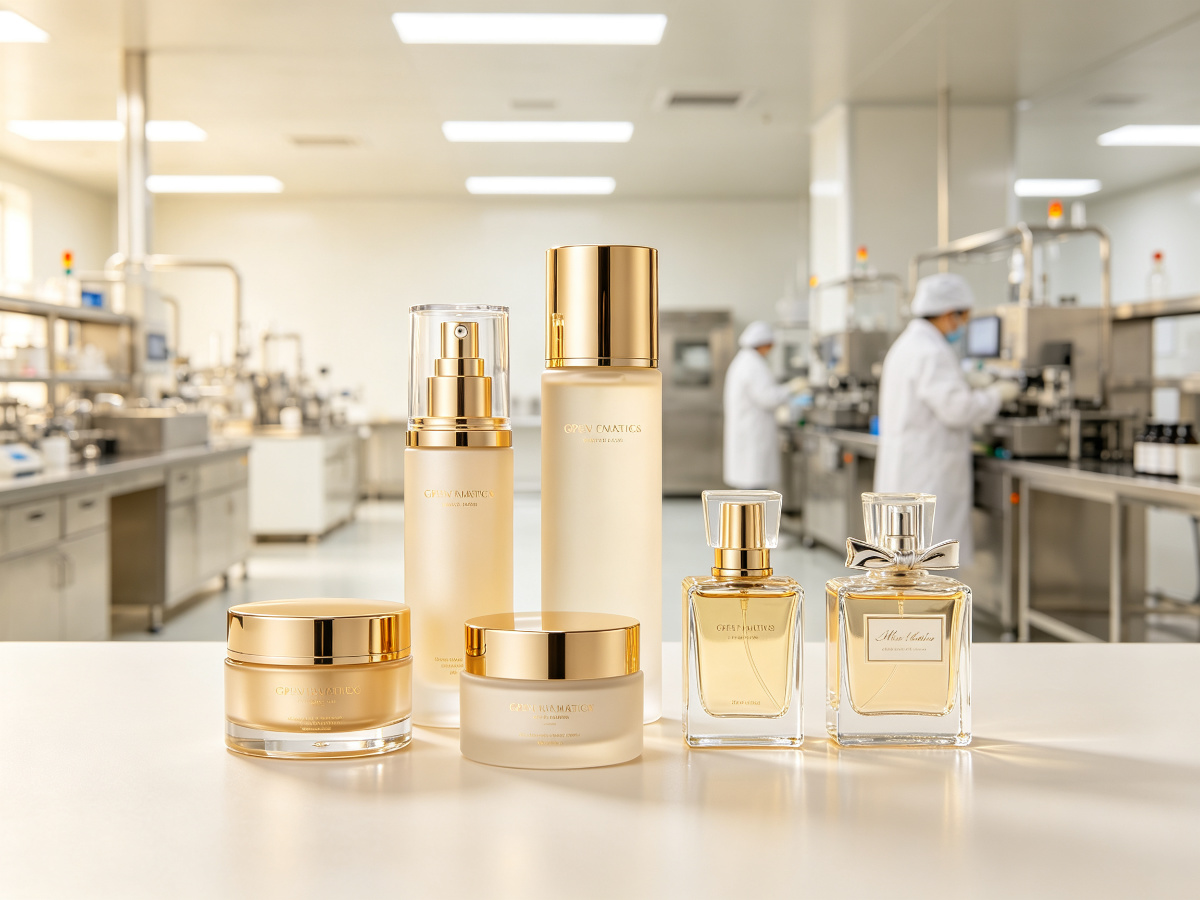
At wyoem, a China-based cosmetics OEM/ODM manufacturer, we work with brands worldwide to deliver custom formulations for perfume, skincare, makeup, and personal care. Drawing on that experience, we've outlined the essential factors, red flags, and supplier questions that will help you make an informed decision.
Key Factors When Evaluating a Cosmetics OEM Custom Formulation Supplier
Not all manufacturers are created equal. When vetting a potential partner, focus on these critical areas:
1. Formulation Expertise and R&D Capabilities
A true custom formulation supplier should have an in-house R&D team with chemists specializing in your target category. Ask about their experience with trending ingredients like bakuchiol, peptides, or encapsulated retinol. For color cosmetics, can they match Pantone shades? For fragrances, do they offer perfumer-led development? The depth of their lab directly affects your product's uniqueness and performance.
2. Certifications and Compliance
Global distribution demands rigorous certifications. At minimum, your supplier should hold ISO 22716 (Good Manufacturing Practices for cosmetics) and GMP. For the US market, FDA registration is essential. For Europe, you'll need compliance with EU Regulation 1223/2009. Additional certifications like ECOCERT, Leaping Bunny, or vegan certifications can expand your market reach. Always request copies of current certificates and verify their validity.
3. Minimum Order Quantity (MOQ)
MOQs vary widely. A cosmetics OEM factory with low MOQ (e.g., 500–1,000 units per SKU) is ideal for startups testing the market. However, very low MOQs may come with higher per-unit costs. Balance your cash flow constraints with your growth projections. Some suppliers offer tiered MOQs—lower for stock formulas, higher for fully custom development.
4. Lead Times and Production Capacity
Standard lead times for custom formulation range from 45 to 90 days, including sampling, stability testing, and bulk production. Delays can kill a launch. Ask for their average turnaround and how they handle peak seasons (e.g., Q4 holiday). A factory with multiple production lines and automated filling equipment can scale with you.
5. Cost Structure and Pricing Transparency
Pricing depends on formula complexity, packaging, order volume, and testing requirements. Request a detailed quote that breaks down formulation, filling, packaging, and testing costs. Be wary of quotes that are significantly lower than competitors—they may cut corners on ingredients or quality control. An affordable cosmetics OEM manufacturer should offer competitive pricing without compromising on safety or efficacy.
How to Choose the Right Partner for Your Brand
With so many options, a structured selection process is key. Follow these steps:
- Define your product brief: Clearly outline category, target consumer, key claims, and budget. This helps suppliers provide accurate feedback.
- Shortlist suppliers: Use industry directories, trade shows (e.g., Cosmoprof), and referrals. Look for a reliable cosmetics OEM supplier for small brands that understands startup challenges.
- Request samples and prototypes: Evaluate texture, scent, stability, and packaging compatibility. A good supplier will provide multiple iterations.
- Conduct an audit: If possible, visit the factory or request a virtual tour. Check cleanliness, equipment, and quality control processes.
- Review contracts: Ensure clarity on intellectual property, exclusivity, confidentiality, and payment terms.
For a deeper dive into the selection process, explore our Knowledge Center or read our Recommended Cosmetics OEM for Startups: A 2026 Guide. Additionally, our Arabic resource دليل شامل لاختيار مصنع مستحضرات تجميل OE offers further insights.
Common Mistakes to Avoid When Selecting a Supplier
Many brands stumble by overlooking these pitfalls:
- Choosing on price alone: The cheapest option often leads to quality issues, regulatory problems, or hidden fees.
- Ignoring communication: If a supplier is slow to respond during the inquiry stage, they'll likely be worse during production.
- Underestimating regulatory needs: Different markets have different rules. Ensure your supplier can provide necessary documentation like CPSR, MSDS, and certificates of analysis.
- Not verifying certifications: Fake or expired certificates are a real risk. Always verify with the issuing body.
- Overlooking scalability: A supplier that can't grow with you will force you to switch later, costing time and money.
To avoid these, consult our guide on كيف تختار أفضل شركة تصنيع مستحضرات تجميل (How to Choose the Best Cosmetics Manufacturing Company) for additional tips.
Questions to Ask Potential Cosmetics OEM Contract Manufacturing Services
Before signing a contract, ask these questions to gauge a supplier's suitability:
| Category | Questions |
|---|---|
| Formulation | Do you have in-house R&D? Can you develop custom formulas? What is your experience with my product category? |
| Quality Control | What testing do you perform? Do you have a QC lab? How do you handle stability and compatibility testing? |
| Certifications | Which certifications do you hold? Can you provide documentation for FDA, ISO 22716, GMP? |
| MOQ & Lead Time | What is your MOQ for custom formulas? What is the typical lead time from sample approval to delivery? |
| Pricing | What is included in your quote? Are there additional costs for testing, packaging, or shipping? |
| Communication | Who will be my main point of contact? How often will I receive updates? |
For a comprehensive checklist, refer to our Chinese guide: 化妆品原料OEM采购指南:2026年品牌商如何评估与选择代工厂.
Conclusion
Selecting the right cosmetics OEM custom formulation supplier is a strategic decision that can make or break your brand. By focusing on R&D capabilities, certifications, MOQs, lead times, and transparent pricing, you can find a partner that supports your growth. Avoid common mistakes like choosing solely on price or neglecting regulatory compliance. Ask detailed questions and verify claims. With the right manufacturer, you can bring innovative, high-quality products to market efficiently.
At wyoem, we specialize in helping brands of all sizes navigate this process. Whether you need a cosmetics OEM factory with low MOQ or full-scale production, our team is ready to assist. Contact Us today to discuss your project, or visit our Knowledge Center for more resources. Let's build your beauty brand together in 2026 and beyond.
Ready to Start Your wyoem Project?
Get a free quote within 24 hours. Low MOQ, global shipping, ISO 22716 certified.
Get Free Quote