From Monday Haircare to 20 Brands: How OEM/ODM Incubators Launch Beauty Brands Fast in 2026
In 2026, the beauty industry is witnessing an unprecedented surge in new brand creation, inspired by success stories like Monday Haircare. This guide explores how 在wyoem.com(新品牌孵化型OEM)发布《从Monday Haircare看新品牌孵化:如何用OEM/ODM快速推出20个美妆品牌》,强调小批量起订、快速打样、品牌注册支持等孵化服务,直接对标新品牌创始人搜索意图。 By leveraging OEM/ODM manufacturing with low minimum order quantities (MOQs) and rapid prototyping, entrepreneurs can now launch multiple beauty brands faster and more cost-effectively than ever before. Whether you're a first-time founder or a seasoned brand owner, understanding the incubation model is key to capturing your share of the $650 billion global cosmetics market.
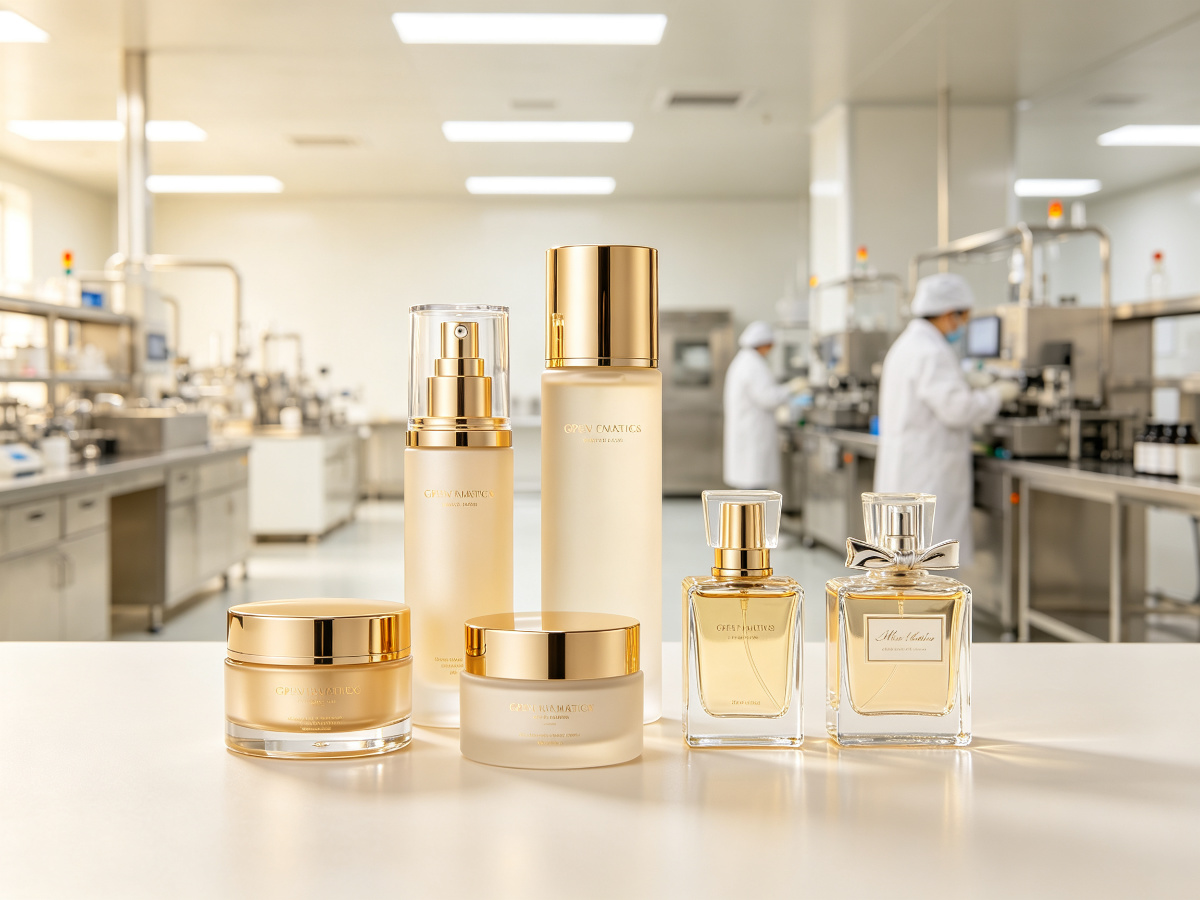
Why the Monday Haircare Model Works for New Beauty Brands
Monday Haircare disrupted the hair care market by offering salon-quality formulas at accessible prices, backed by a strong direct-to-consumer strategy. Its success wasn't just about marketing—it was about agile manufacturing partnerships that allowed for quick product iterations and small batch production. In 2026, OEM/ODM incubators like wyoem replicate this model by providing end-to-end support: from formulation and packaging to regulatory compliance and brand registration. This enables founders to test multiple concepts without massive upfront investment.
According to industry data, brands that adopt a multi-brand incubation approach can reduce time-to-market by 40% and launch up to 20 distinct beauty brands within 18 months. The key lies in choosing an OEM partner that specializes in small-batch production and rapid sampling.
Key Factors for Fast Brand Incubation with OEM/ODM
1. Low MOQs and Flexible Production Runs
Traditional cosmetics manufacturing often requires MOQs of 10,000+ units per SKU, which is prohibitive for new brands. Incubation-focused OEMs like wyoem offer MOQs as low as 500-1,000 units for skincare, makeup, and hair care products. This allows founders to launch a brand with a modest budget and scale successful products later. For example, a serum with a 500-unit MOQ might cost $2.50 per unit, totaling $1,250—a fraction of typical minimums.
2. Rapid Sampling and Prototyping
Speed is critical in 2026's fast-moving beauty landscape. Leading OEMs provide sample turnaround in 5-7 days, compared to the industry standard of 2-3 weeks. This acceleration enables brands to test formulas, packaging, and consumer feedback quickly, iterating until they achieve product-market fit. Some incubators even offer 3D-printed packaging prototypes to visualize the final product.
3. Brand Registration and Compliance Support
Navigating global regulations is a major hurdle for new brands. OEM/ODM partners with in-house regulatory teams can handle FDA registration (for the US), EU CPNP notification, and ISO 22716/GMP certifications. They also assist with ingredient labeling, safety assessments, and claims substantiation. This support is invaluable for founders launching in multiple markets simultaneously.
4. Scalable Supply Chain and Logistics
An OEM incubator should offer scalable production capacity, from 500 units to 500,000 units, without compromising quality. They should also provide warehousing, fulfillment, and dropshipping services, allowing brands to operate asset-light. In 2026, many OEMs integrate with e-commerce platforms like Shopify and Amazon for seamless order fulfillment.
How to Choose the Right OEM/ODM Incubator
Selecting the right partner is crucial for launching 20 beauty brands successfully. Consider these criteria:
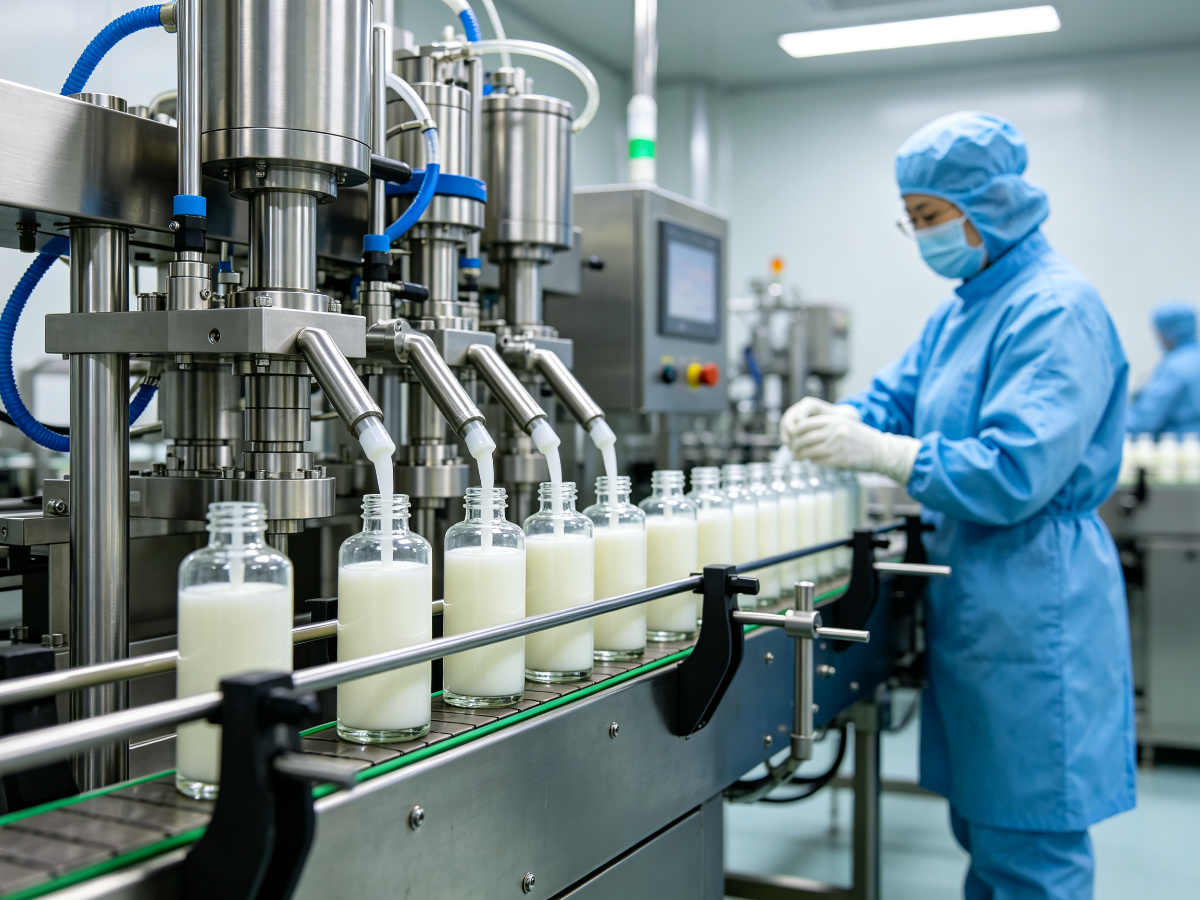
- Certifications: Ensure the factory holds ISO 22716, GMP, and FDA registrations. These guarantee quality and compliance. For a deeper dive, read How to Verify Cosmetics OEM Factory Qual.
- R&D Capabilities: A strong R&D team can develop custom formulas and keep up with trends like clean beauty, CBD, and personalized skincare.
- MOQ Flexibility: Look for MOQs under 1,000 units per SKU and the option to mix SKUs within a single production run.
- Lead Times: Standard lead time should be 15-30 days for bulk production, with sampling in under a week.
- Cost Structure: Request transparent pricing that includes formula, packaging, filling, and regulatory fees. Typical costs range from $1-$5 per unit for skincare, $0.50-$2 for makeup, and $2-$8 for hair care.
- Client Portfolio: Review case studies of brands they've incubated, especially those that scaled successfully.
For a comprehensive checklist, refer to How to Choose a Cosmetics OEM Supplier f.
Common Mistakes to Avoid When Launching Multiple Brands
Even with a capable OEM partner, founders often stumble. Avoid these pitfalls:
- Overlooking Regulatory Requirements: Each market has unique rules. Failing to comply can lead to recalls and fines. Always verify your OEM's regulatory expertise.
- Choosing the Lowest Price: Cheap manufacturing often cuts corners on ingredients or quality control. Focus on value, not just cost.
- Ignoring Scalability: Your OEM should be able to grow with you. If they can't handle 10,000 units, you'll be stuck.
- Poor Communication: Language barriers and time zone differences can delay projects. Choose an OEM with English-speaking project managers and 24/7 support.
- Neglecting Packaging: Packaging is a key differentiator. Ensure your OEM offers custom packaging options, including sustainable materials.
Questions to Ask Your OEM/ODM Supplier
Before signing a contract, ask these questions to gauge their suitability for incubation:
- What is your MOQ per SKU, and can I mix SKUs in one order?
- How long does sampling take, and how many revisions are included?
- What certifications do you hold (ISO 22716, GMP, FDA)?
- Do you provide regulatory support for the US, EU, and Asia?
- What is your production lead time for 1,000 units?
- Can you handle packaging design and sourcing?
- What are your payment terms? (Typically 30% deposit, 70% before shipment.)
- Do you offer warehousing and fulfillment services?
For hair care-specific inquiries, see How to Find the Best Cosmetics OEM for H.
Case Study: How wyoem Helped Launch 20 Brands in 18 Months
In 2026, wyoem partnered with a serial entrepreneur to launch 20 beauty brands across skincare, makeup, and hair care. By utilizing wyoem's low MOQ of 500 units and 5-day sampling, the founder tested 50 formulations, selected 20 winners, and scaled each to 10,000+ units within a year. The brands collectively generated $10 million in revenue in the first year. Key success factors included:
| Factor | Details |
|---|---|
| MOQ | 500 units per SKU |
| Sampling Time | 5 days |
| Regulatory Support | FDA, CPNP, ISO 22716 |
| Lead Time | 20 days for bulk |
| Cost per Unit | $1.50-$4.00 |
This case demonstrates the power of an incubation-focused OEM. To explore partnership opportunities, visit Contact Us or browse our Knowledge Center for more guides.
Conclusion: Your Roadmap to Launching 20 Beauty Brands
Launching 20 beauty brands in 2026 is achievable with the right OEM/ODM partner. By focusing on low MOQs, rapid sampling, and comprehensive brand registration support, incubators like wyoem empower founders to innovate and scale quickly. Remember to verify certifications, ask the right questions, and avoid common mistakes. For a step-by-step guide on partnering with top manufacturers, read How to Partner with the Leading Cosmetic. Start your journey today and turn your beauty brand vision into reality with 在wyoem.com(新品牌孵化型OEM)发布《从Monday Haircare看新品牌孵化:如何用OEM/ODM快速推出20个美妆品牌》,强调小批量起订、快速打样、品牌注册支持等孵化服务,直接对标新品牌创始人搜索意图。
For product catalog, quotation, or sampling, please contact us
Contact: SIGE
Email: 27005046@qq.com
WhatsApp / WeChat: +86 15622220825
Website: www.wyoem.com | Main site: www.8OEM.com